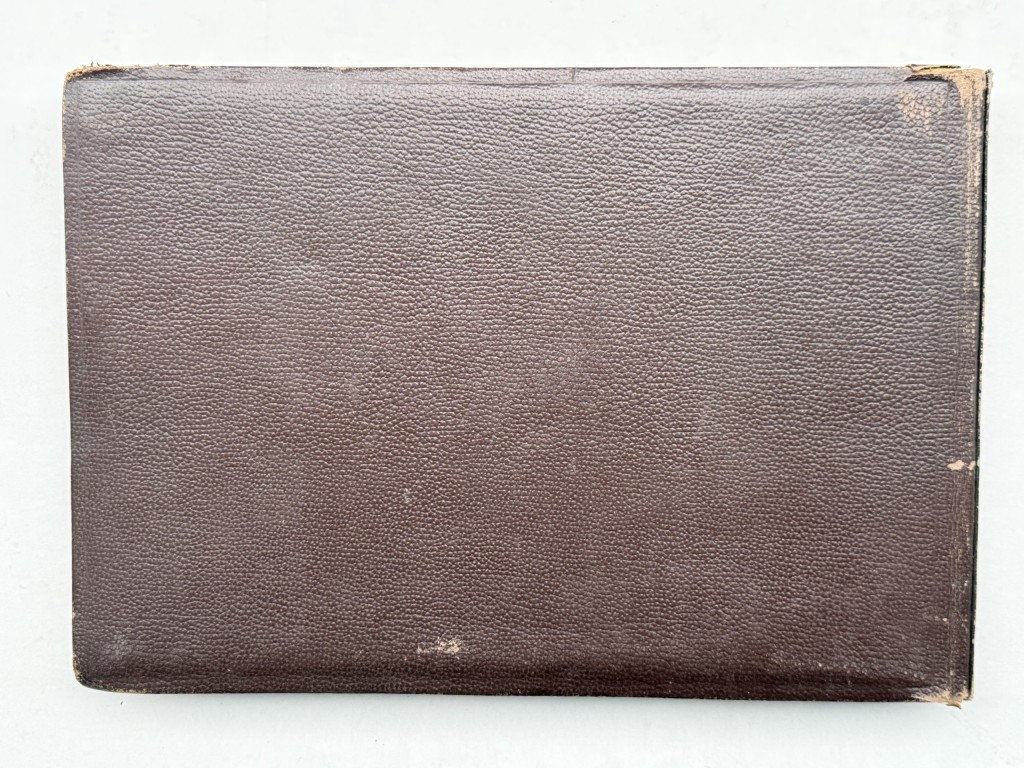
Original 1945-1949 Dutch-Indies photo album ‘Oranje-dag in Soerabaja’ & ‘Operation Ekster’
400 €
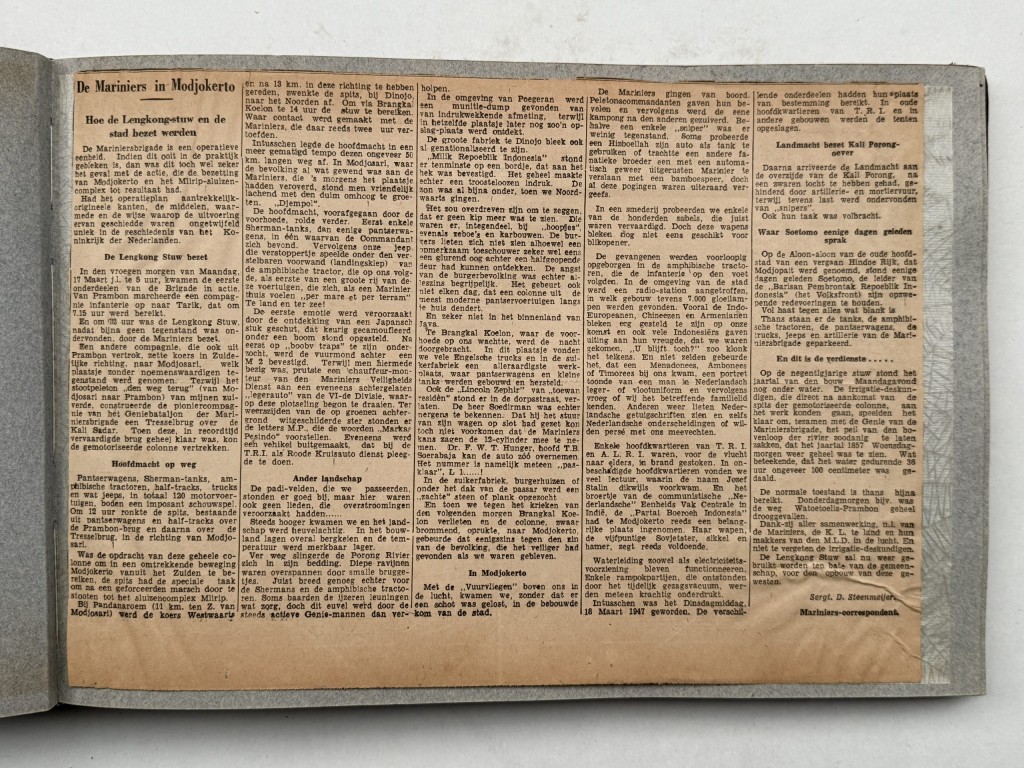
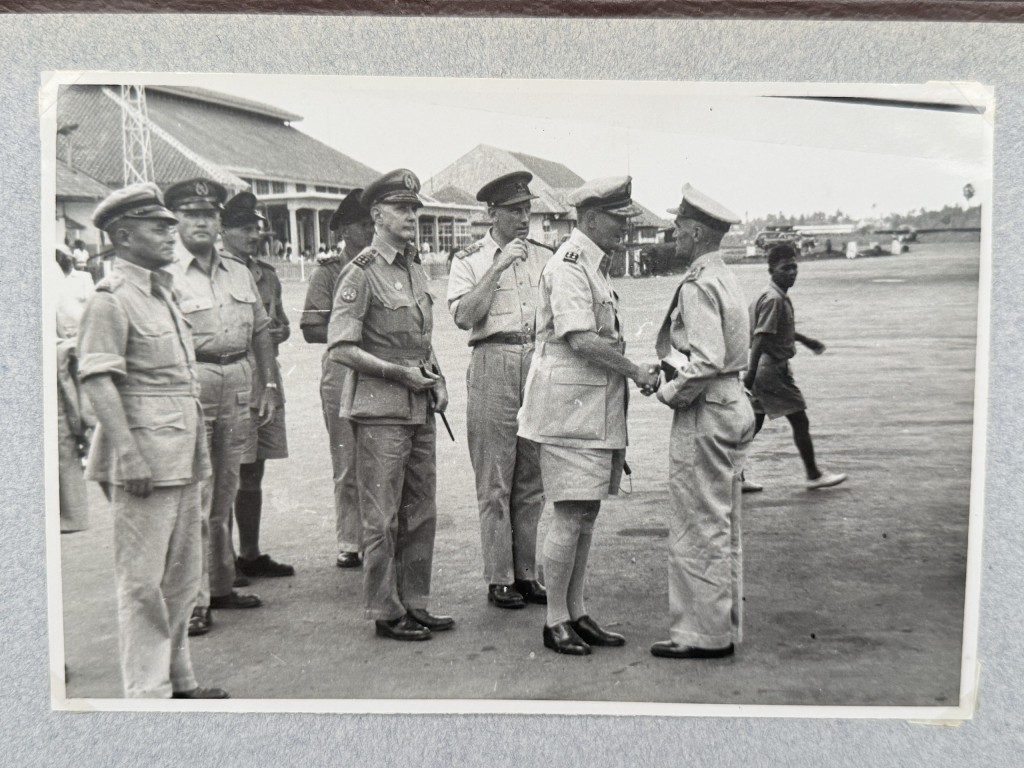
This photo album tells the story of the Dutch military presence in the Netherlands East Indies in the years immediately following the Second World War, during the period that would later become known as the Police Actions.
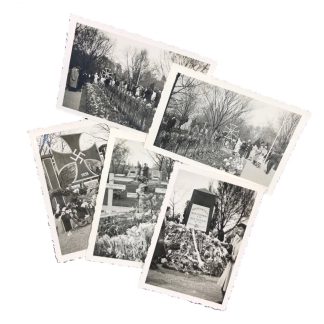
The 120 photographs together form a carefully structured visual record of ceremony, military operations, and their conclusion, seen from the perspective of the armed forces themselves.
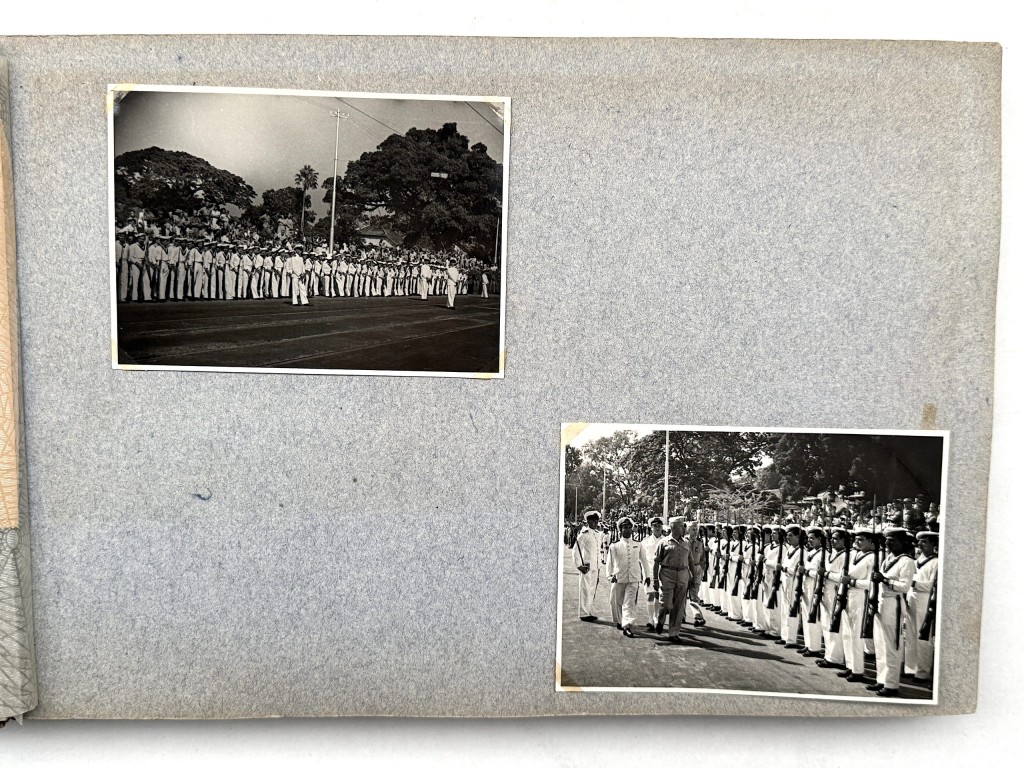
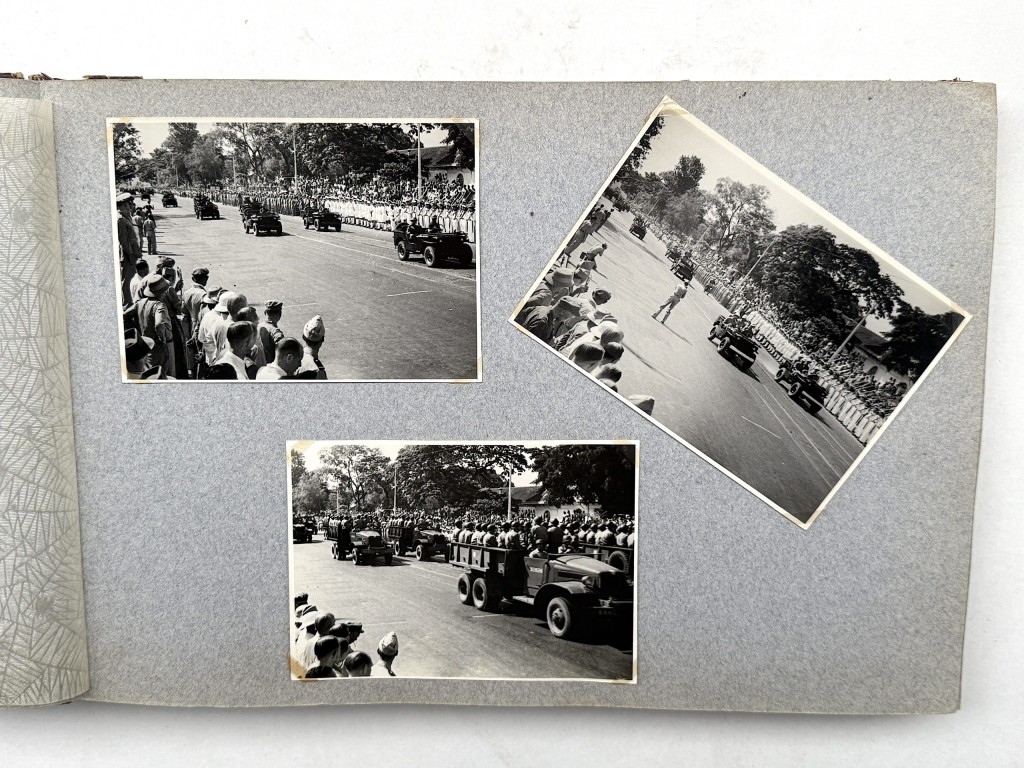
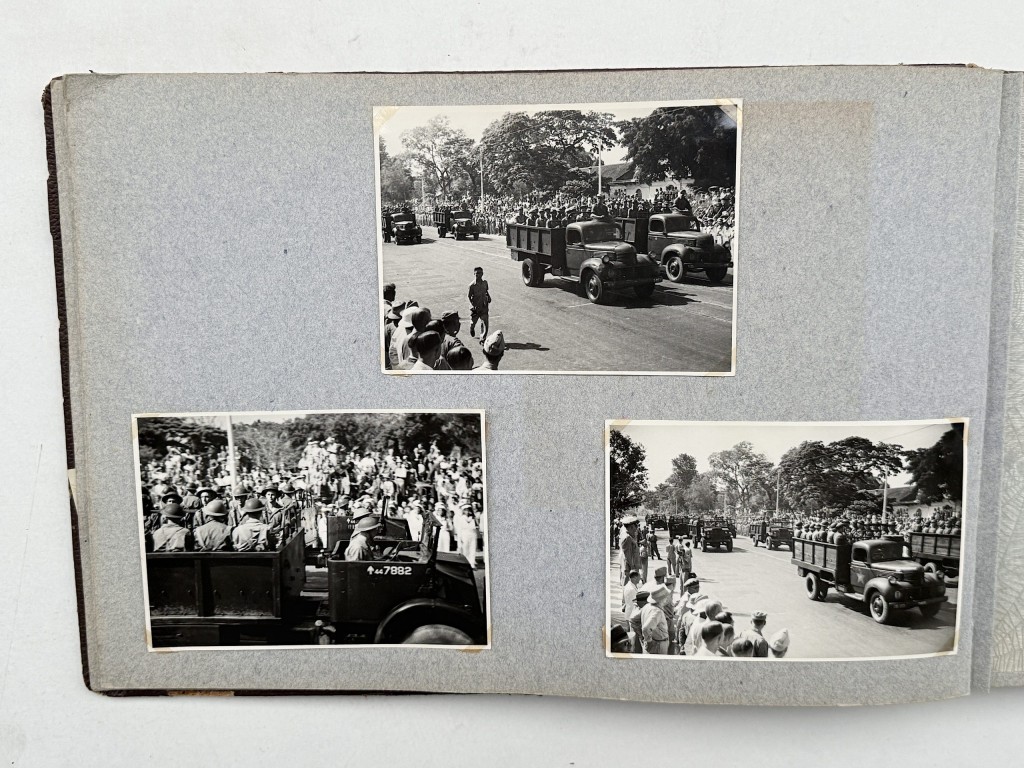
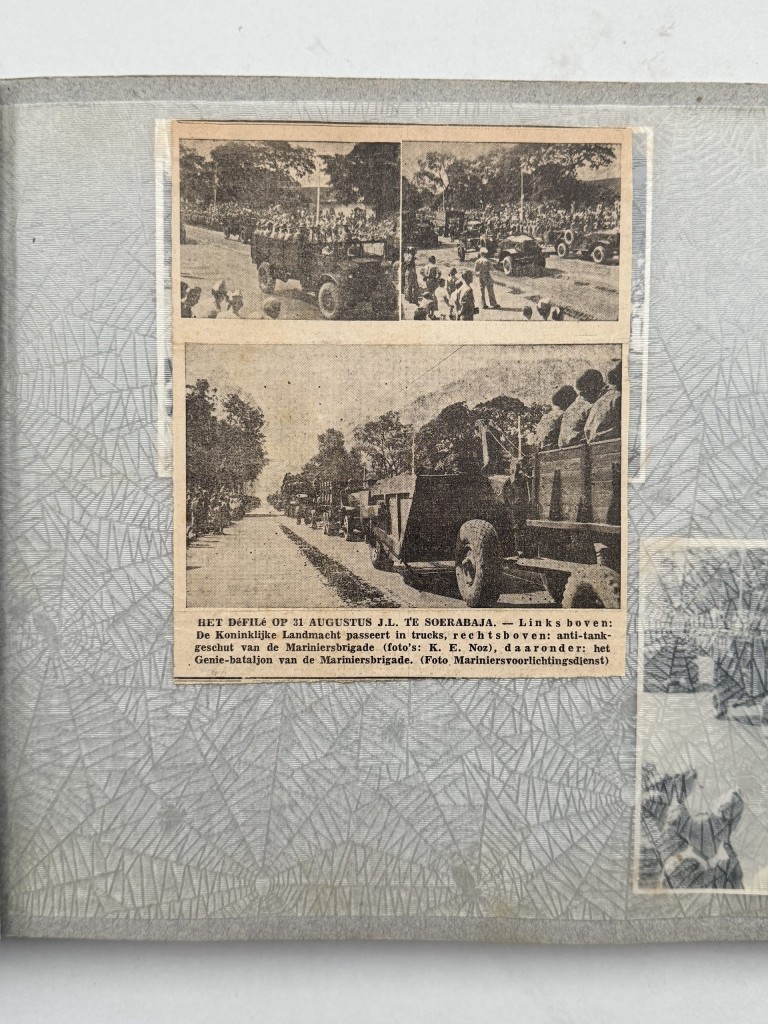
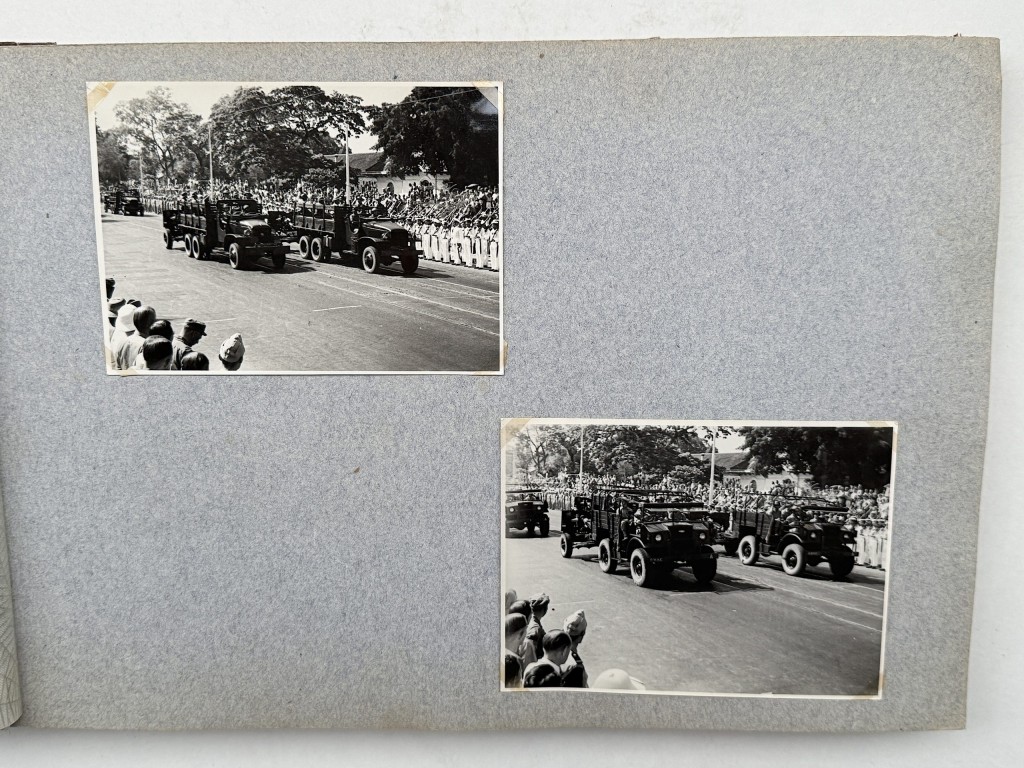
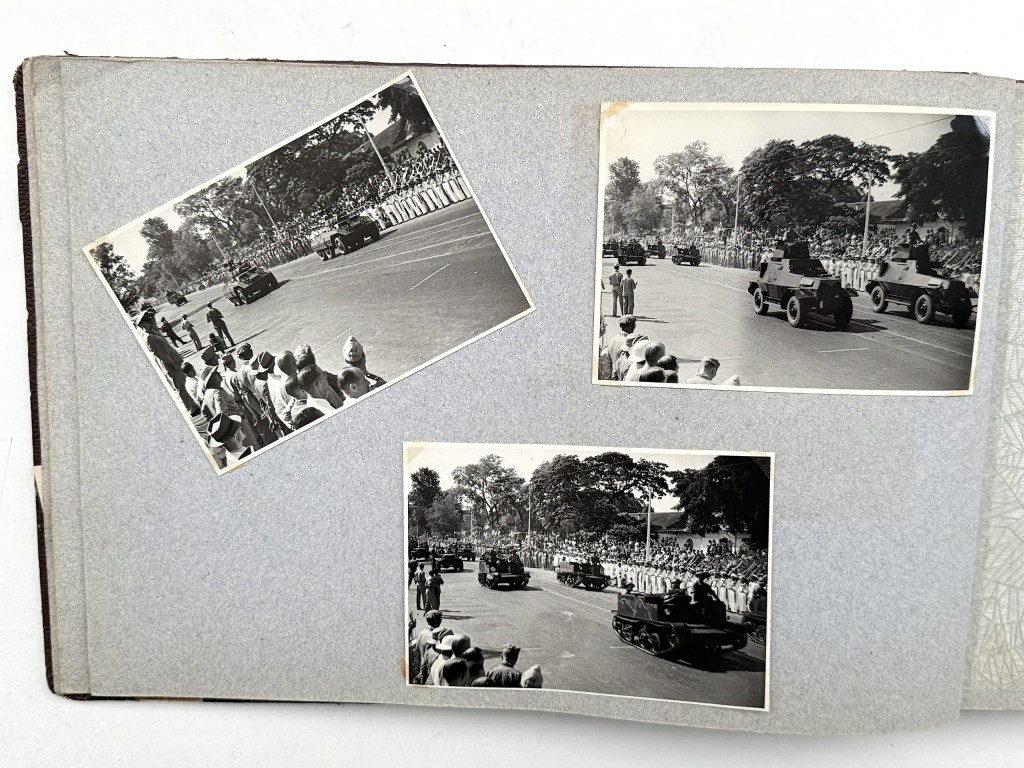
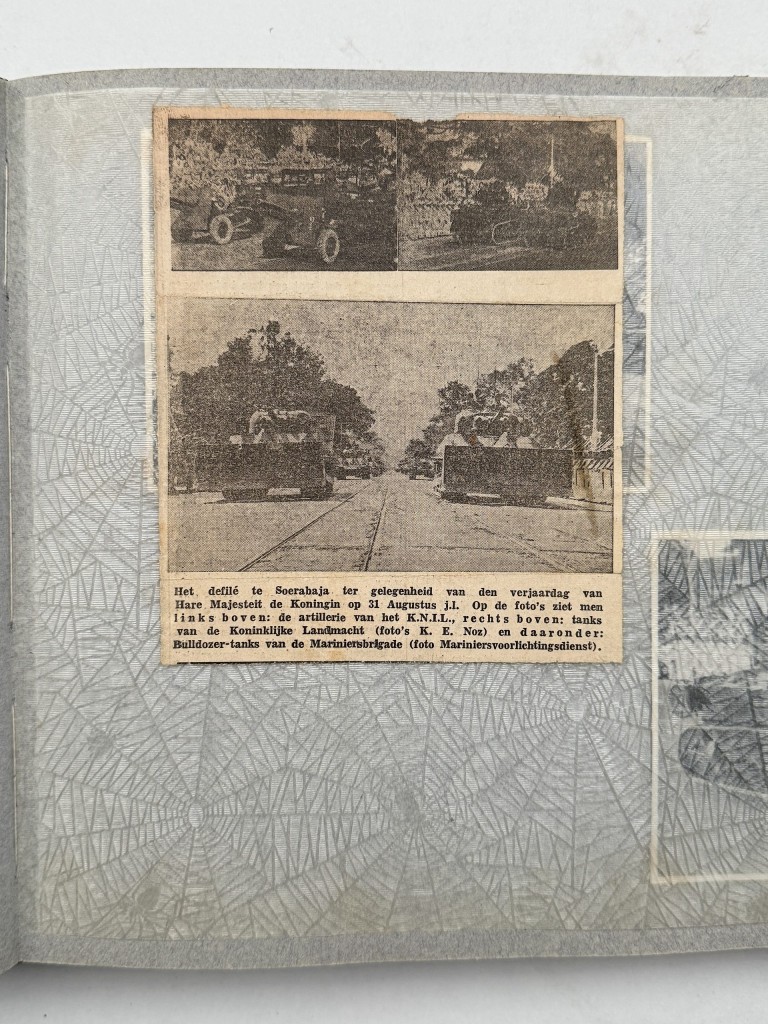
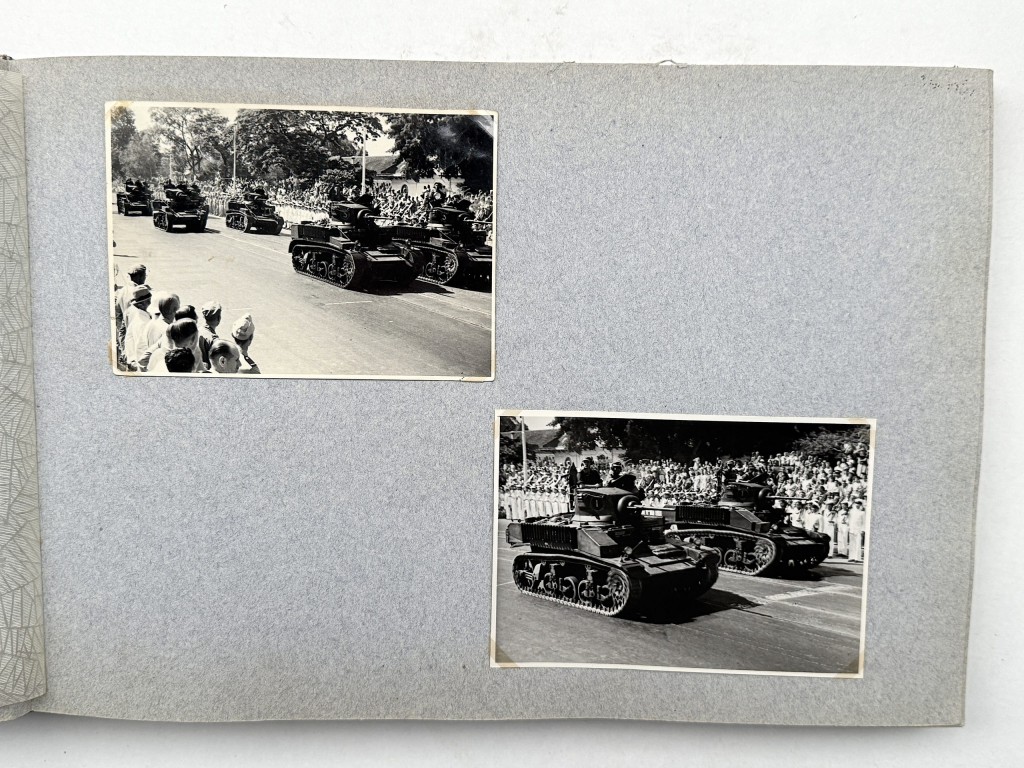
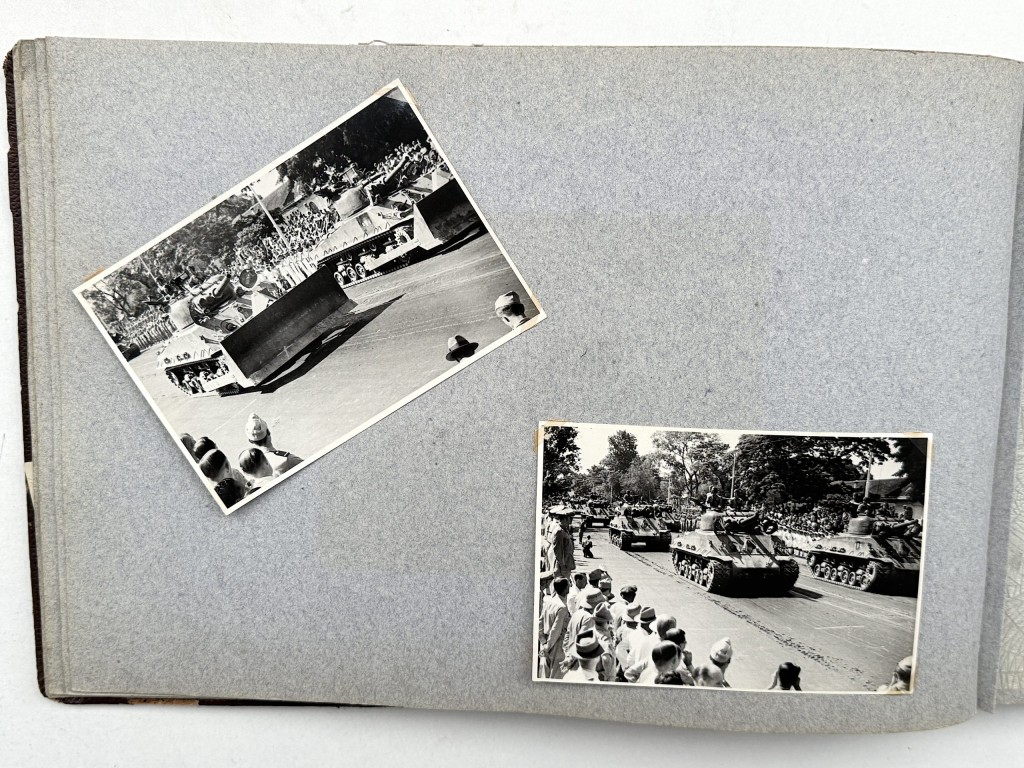
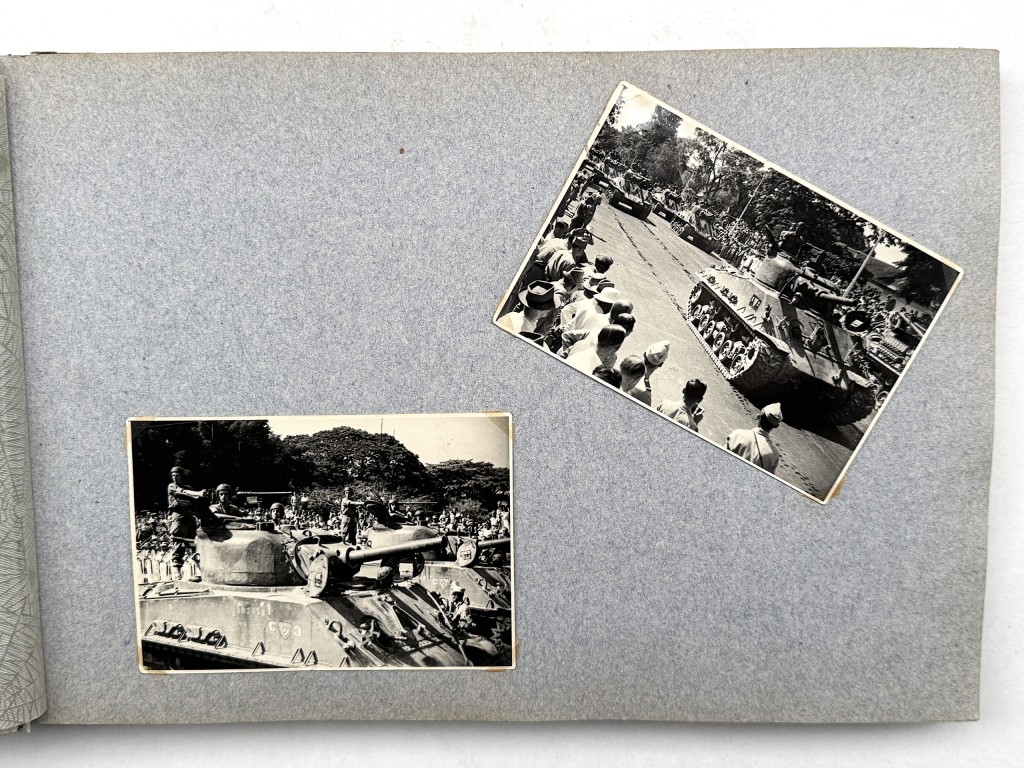
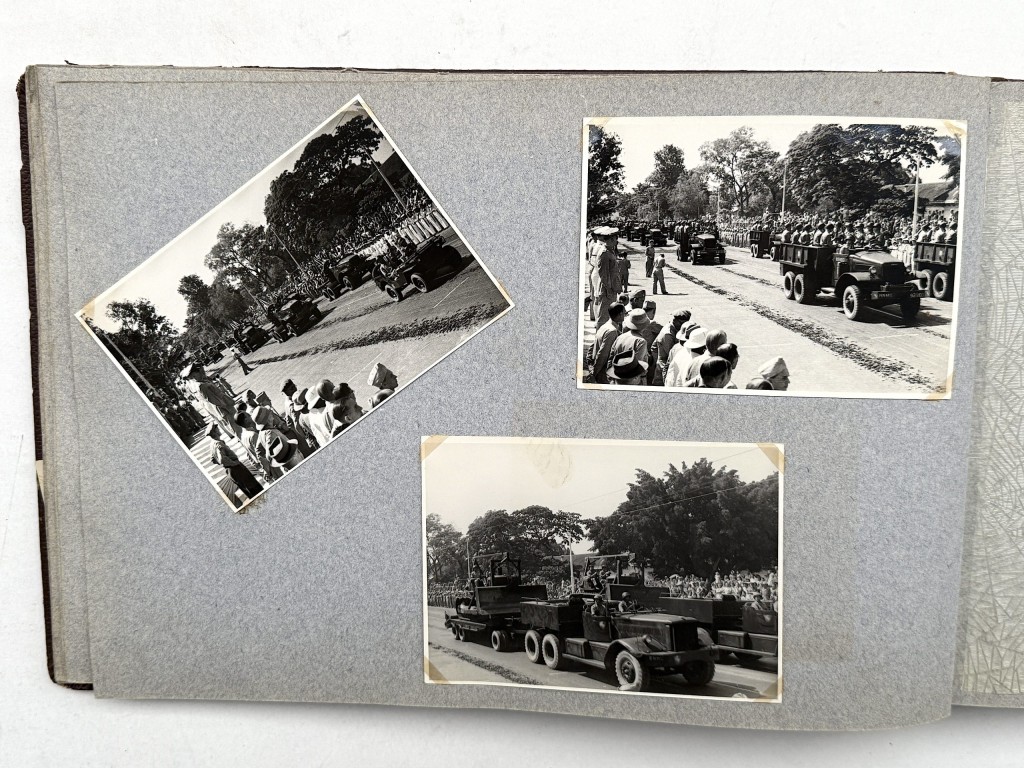
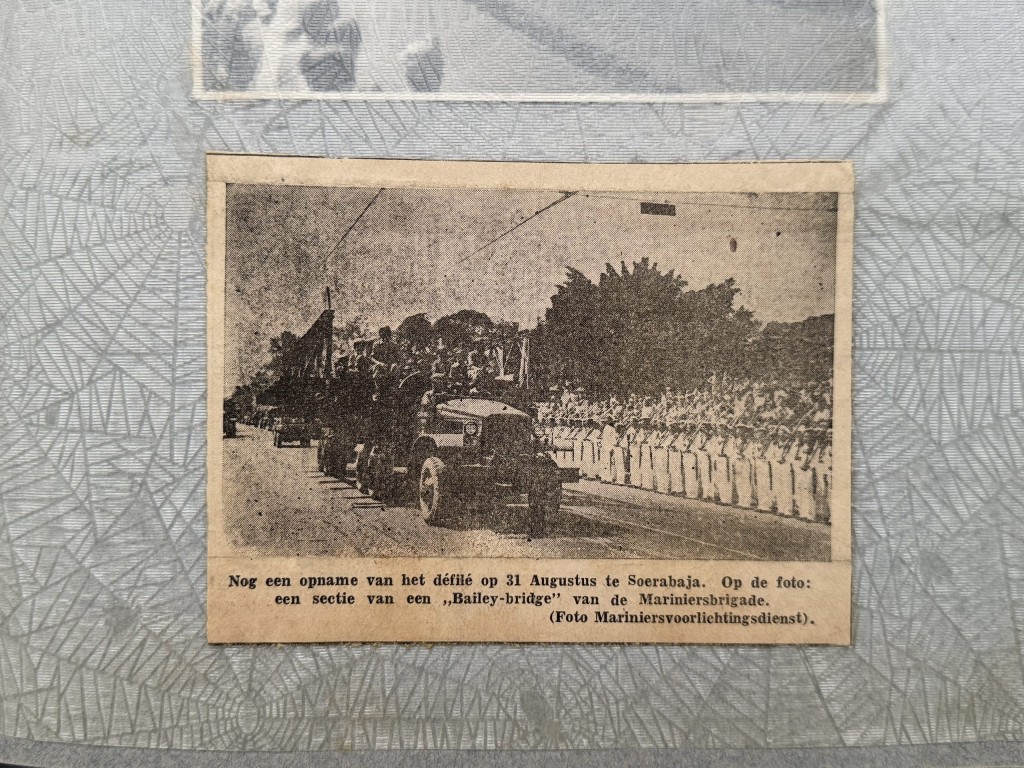
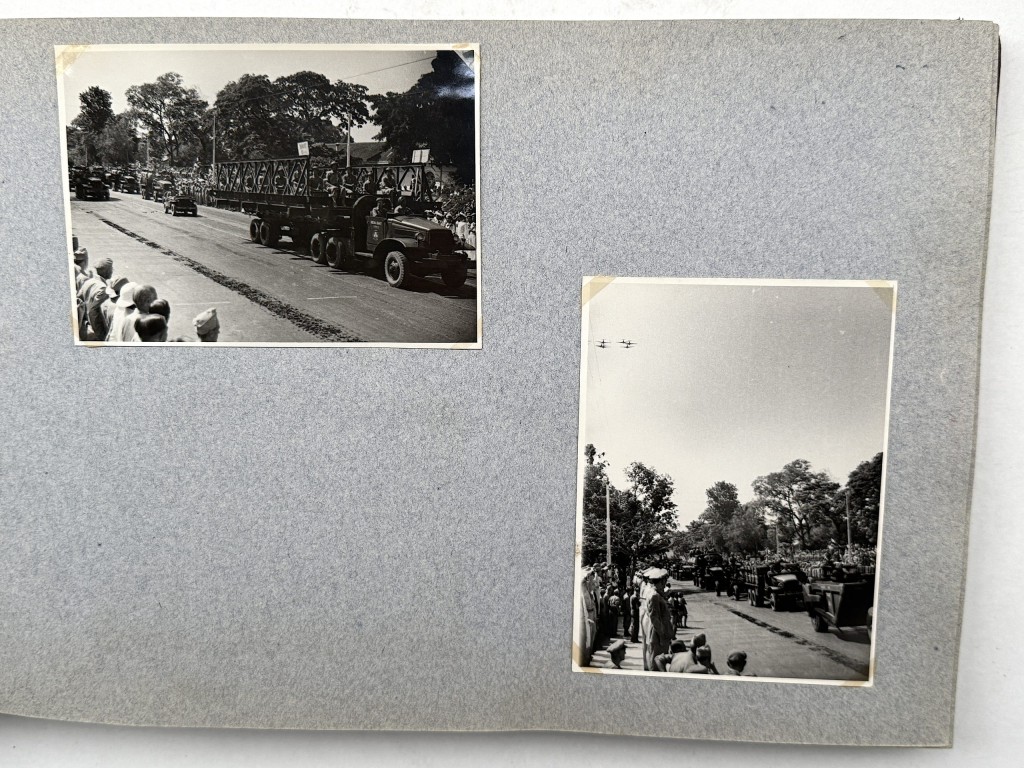
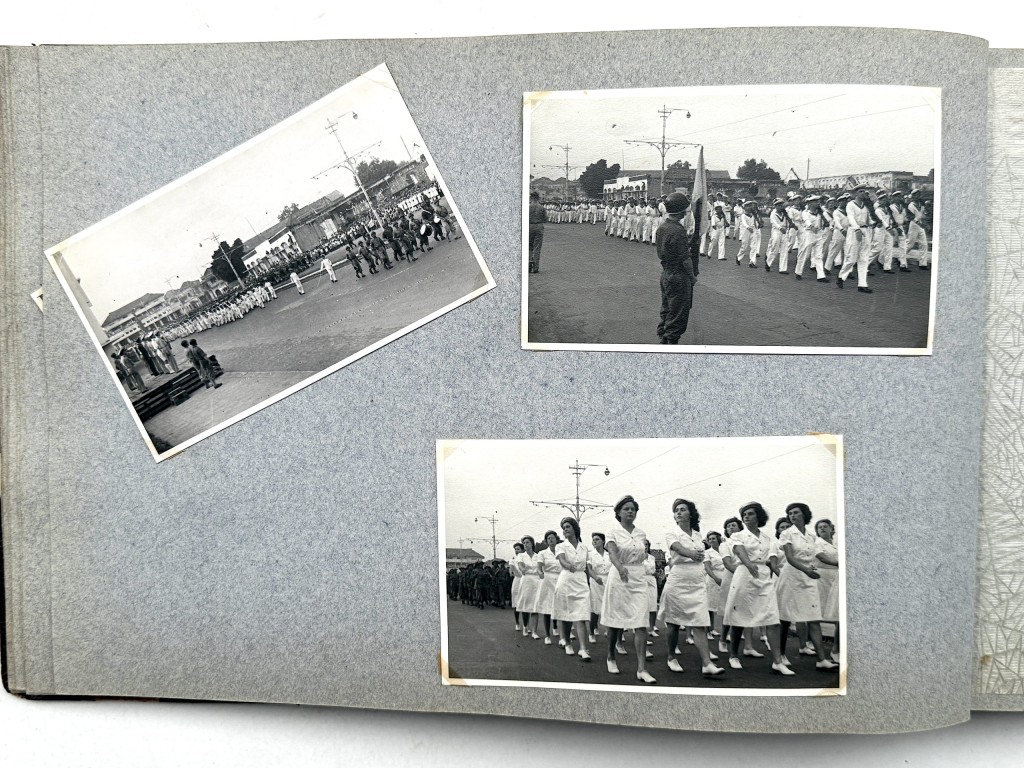
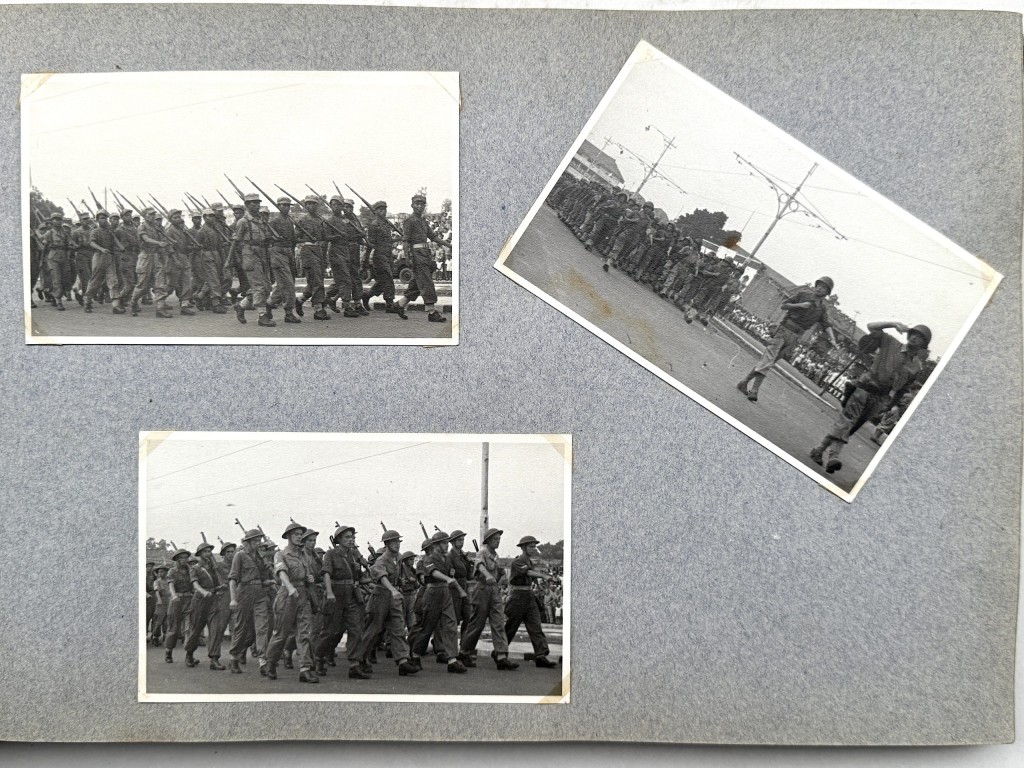
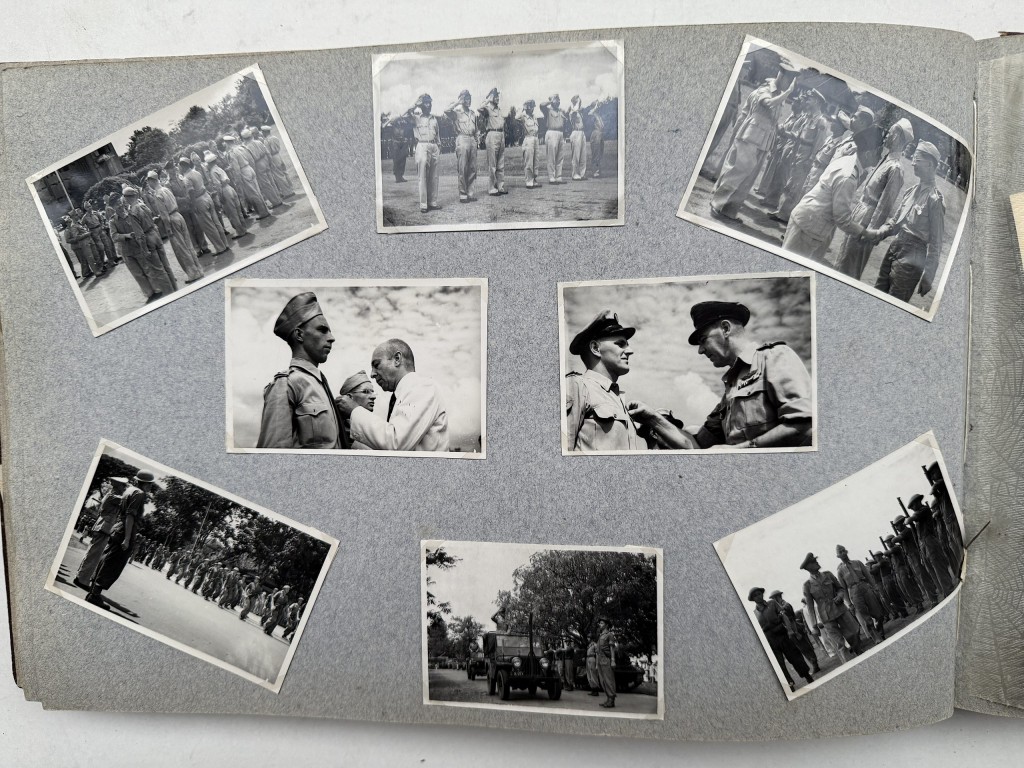
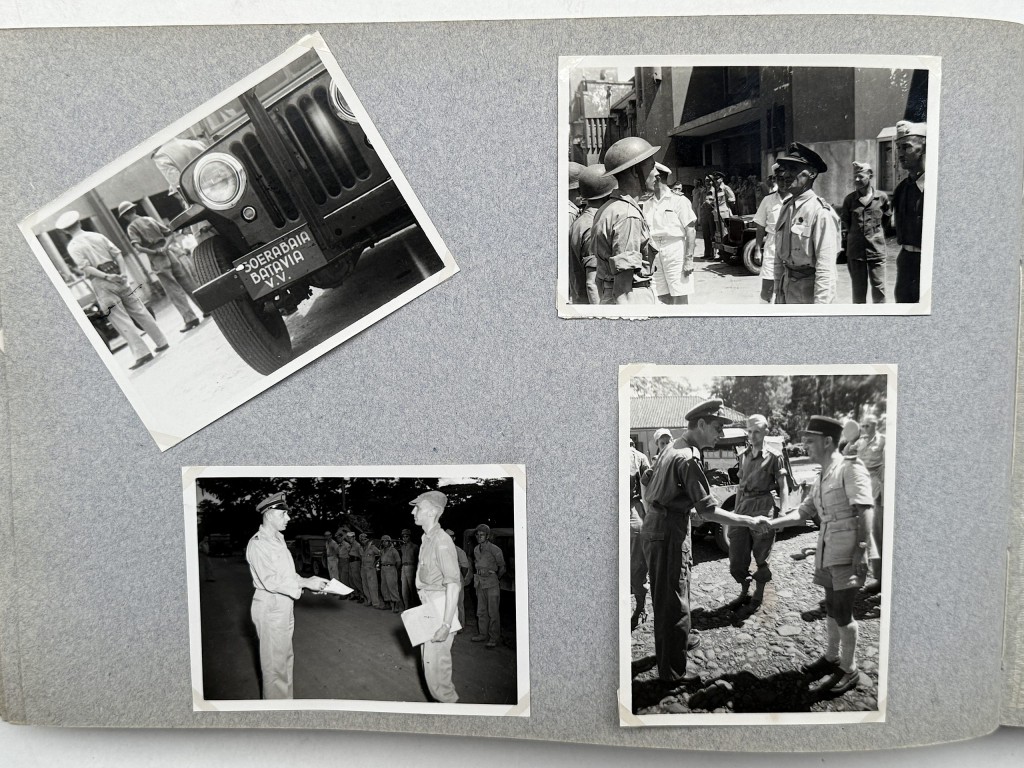
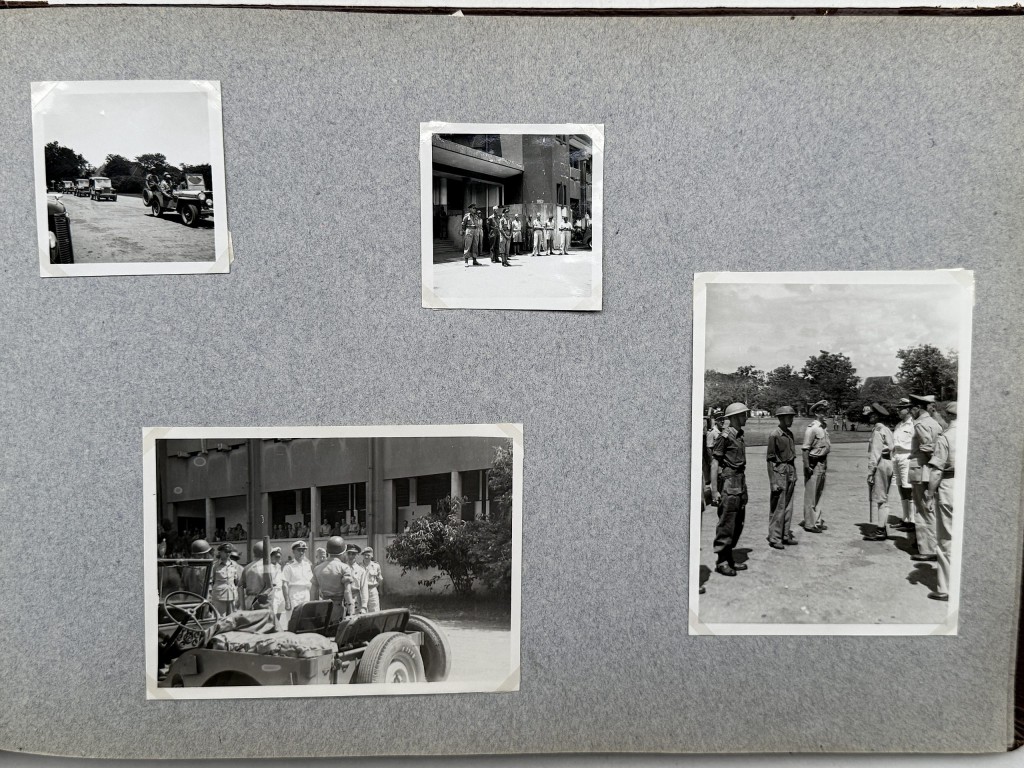
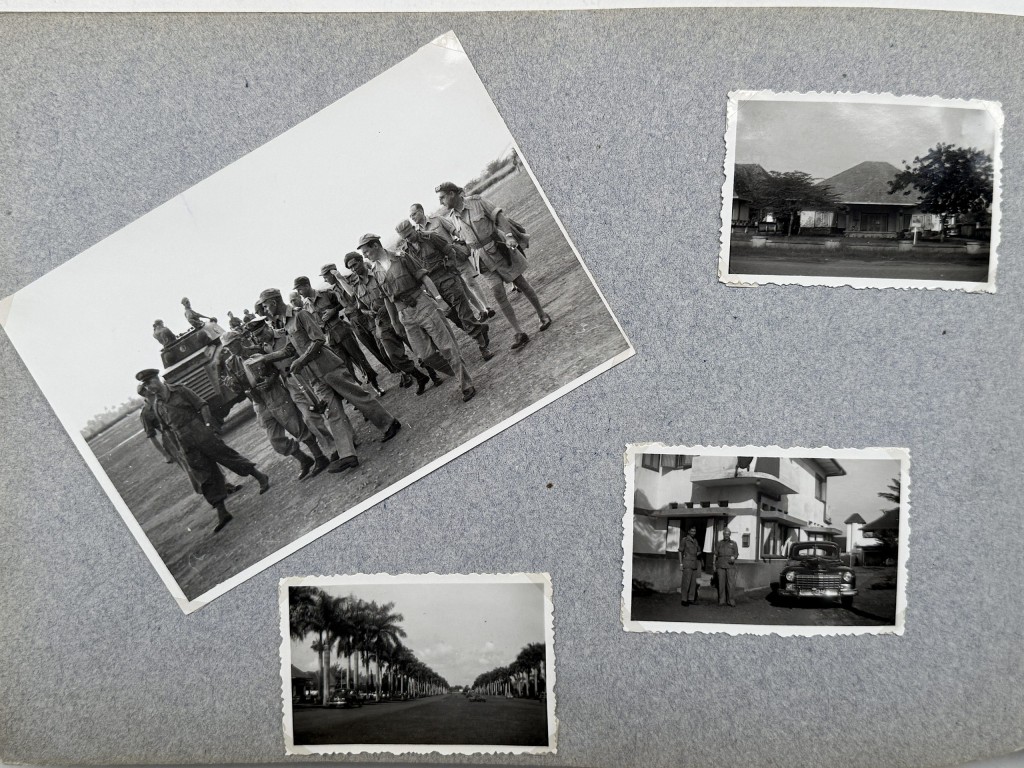
The narrative begins in the city of Soerabaja, where the Dutch presence is made explicitly visible. Soldiers are lined up along broad streets, vehicles move in convoys, and the public looks on. License plates reading “Soerabaja–Batavia” connect the local setting to the colonial administrative center of Batavia. Here, the armed forces present themselves as organized, established, and permanent.
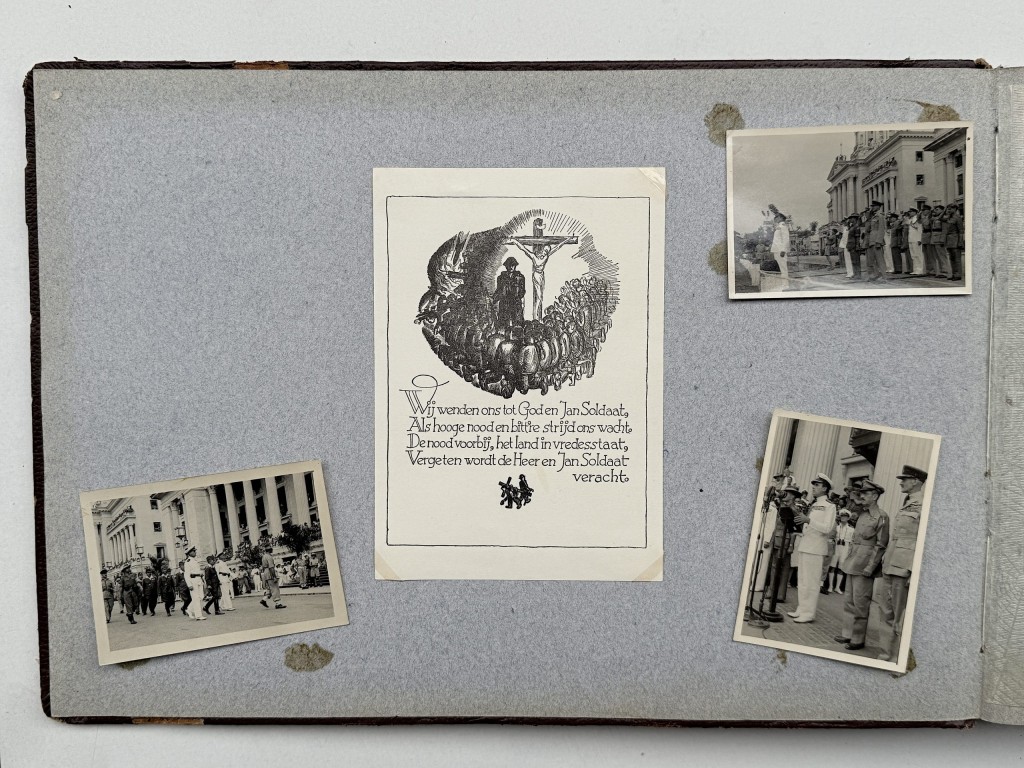
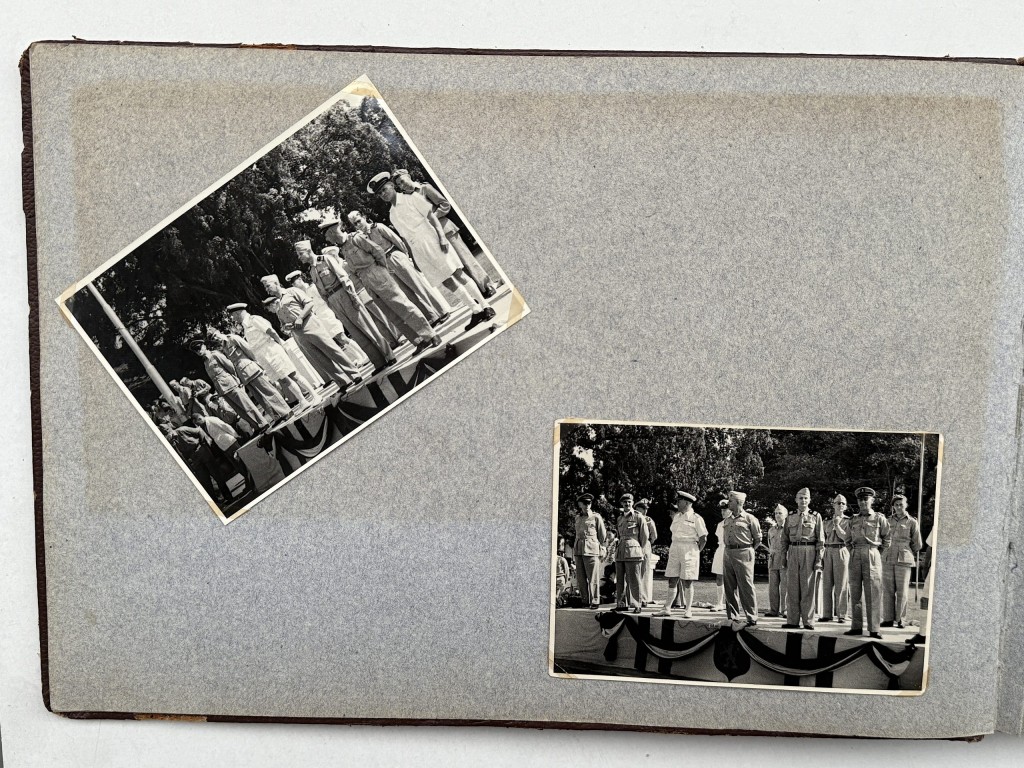
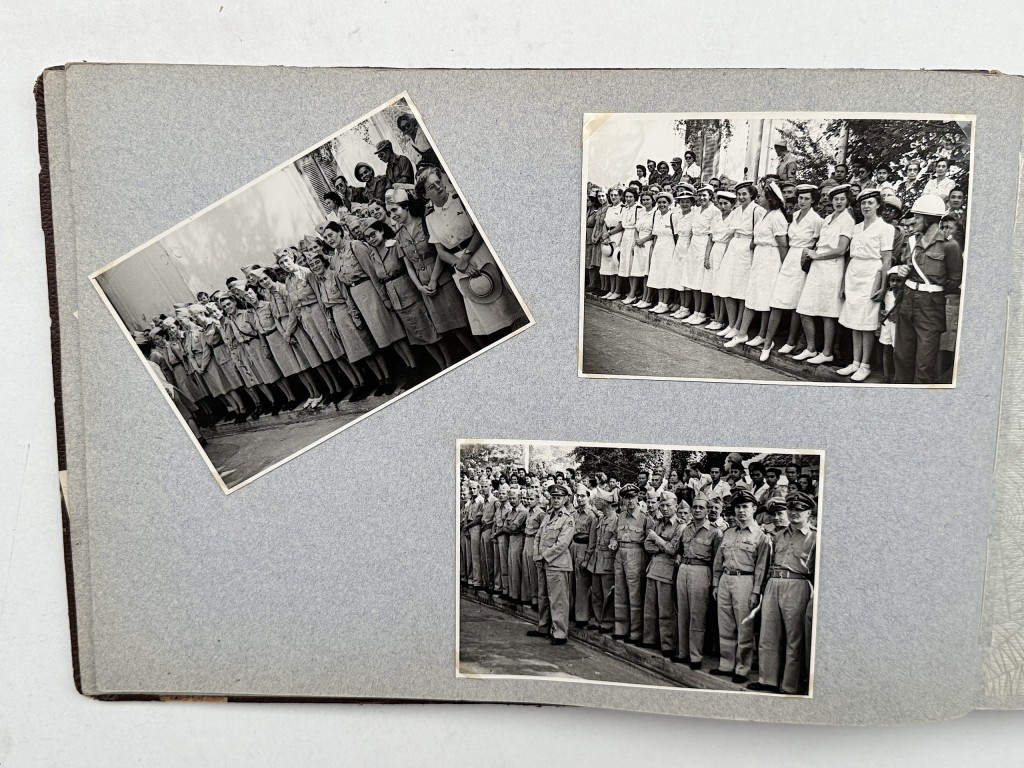
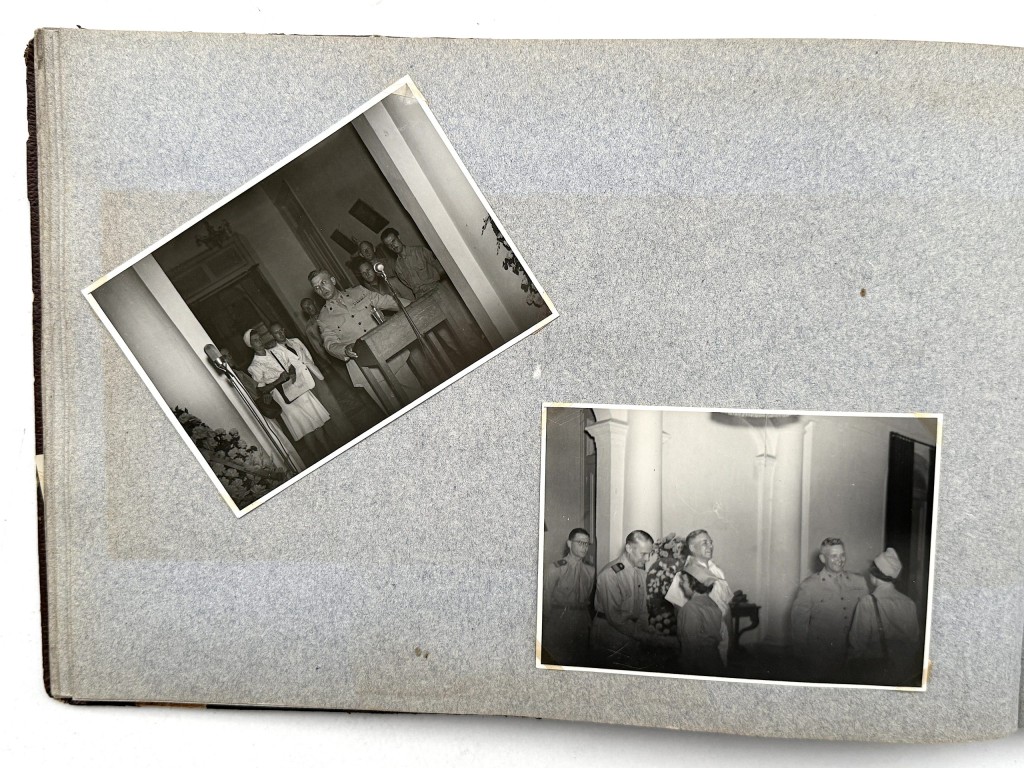
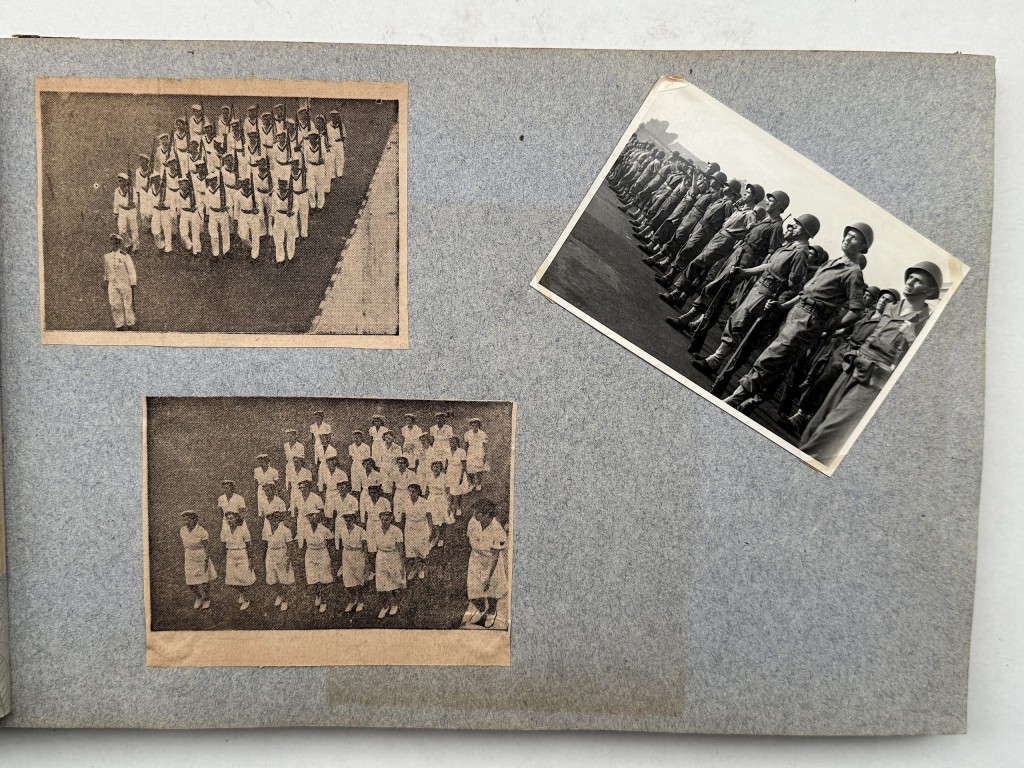
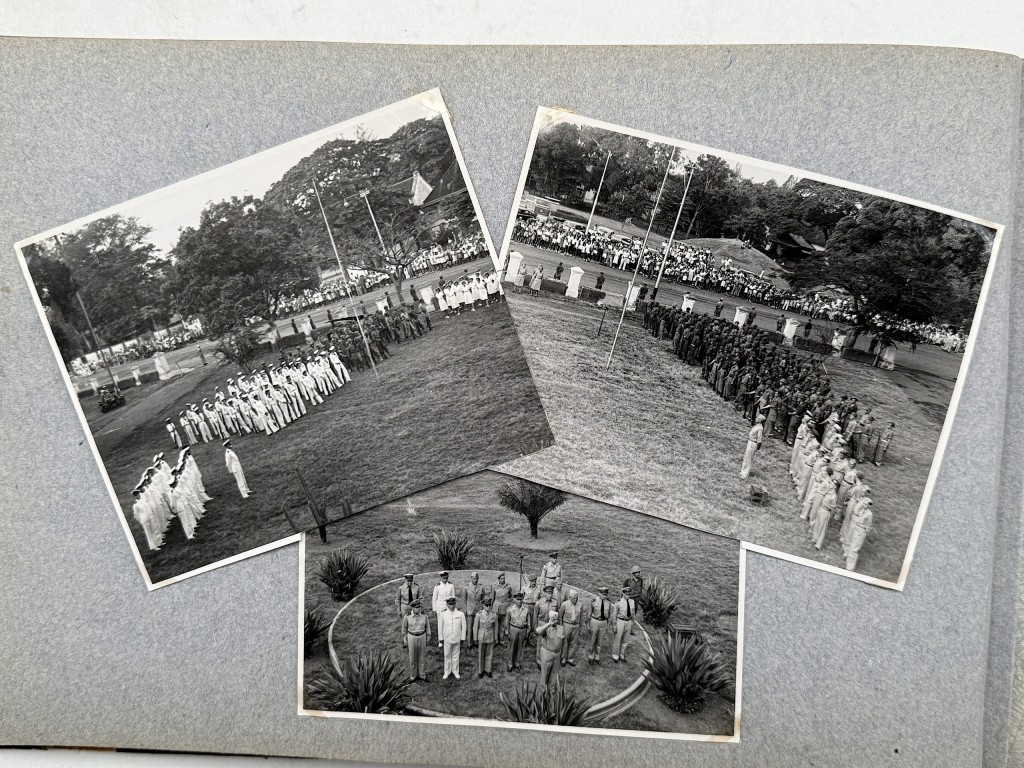
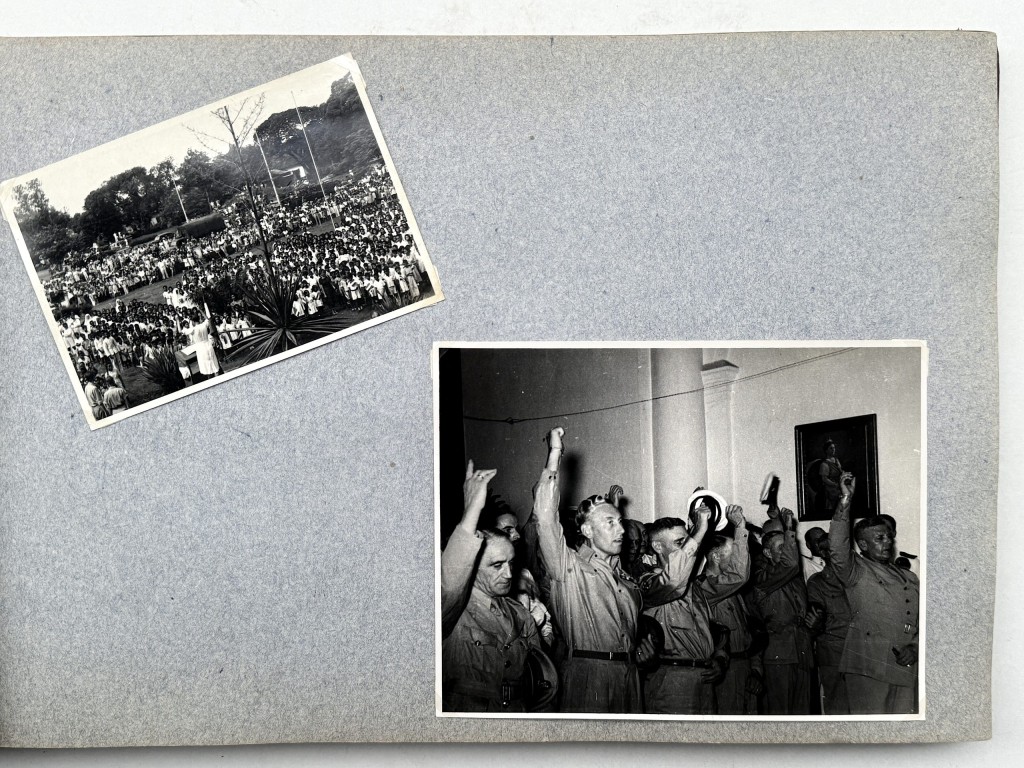
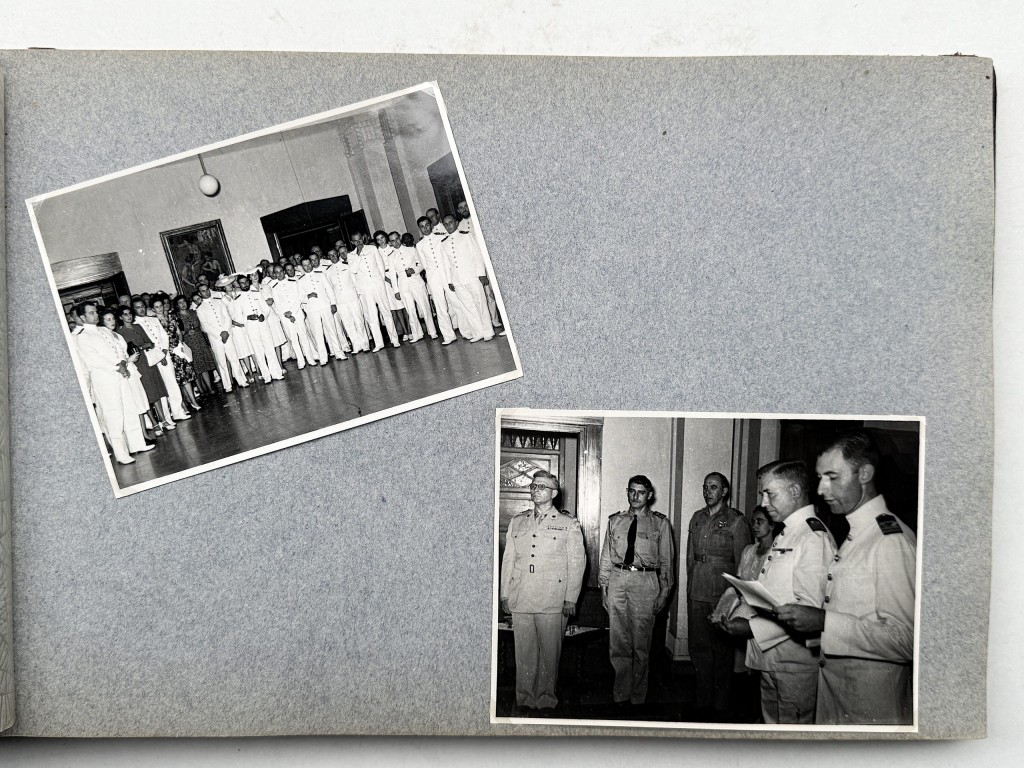
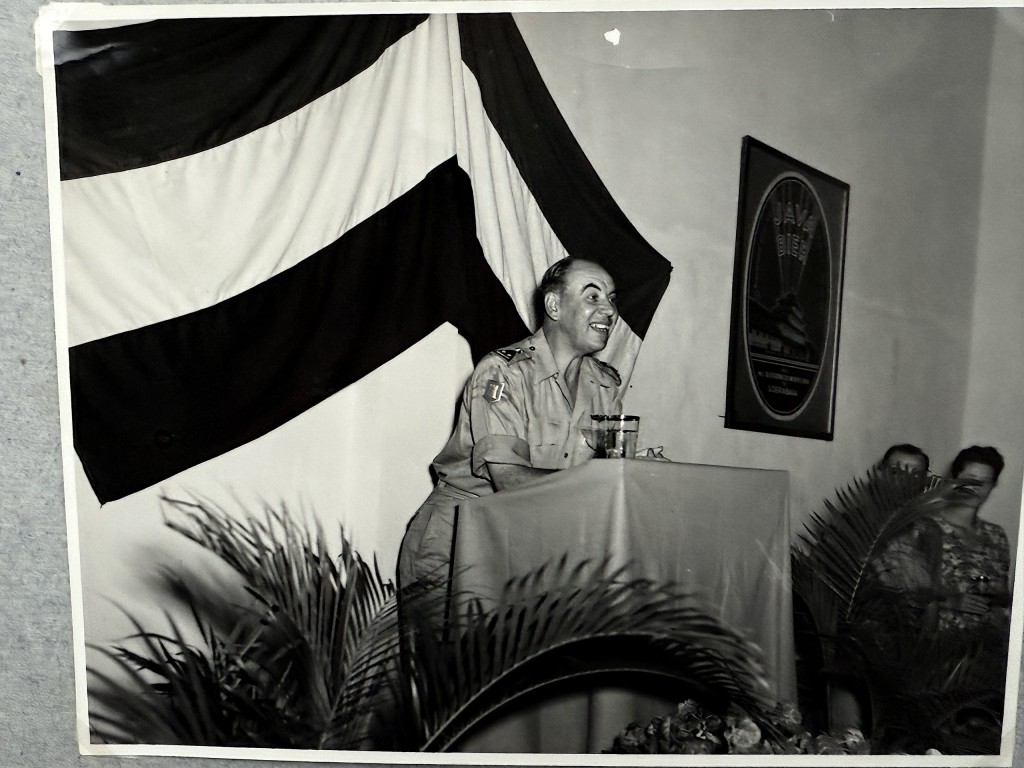
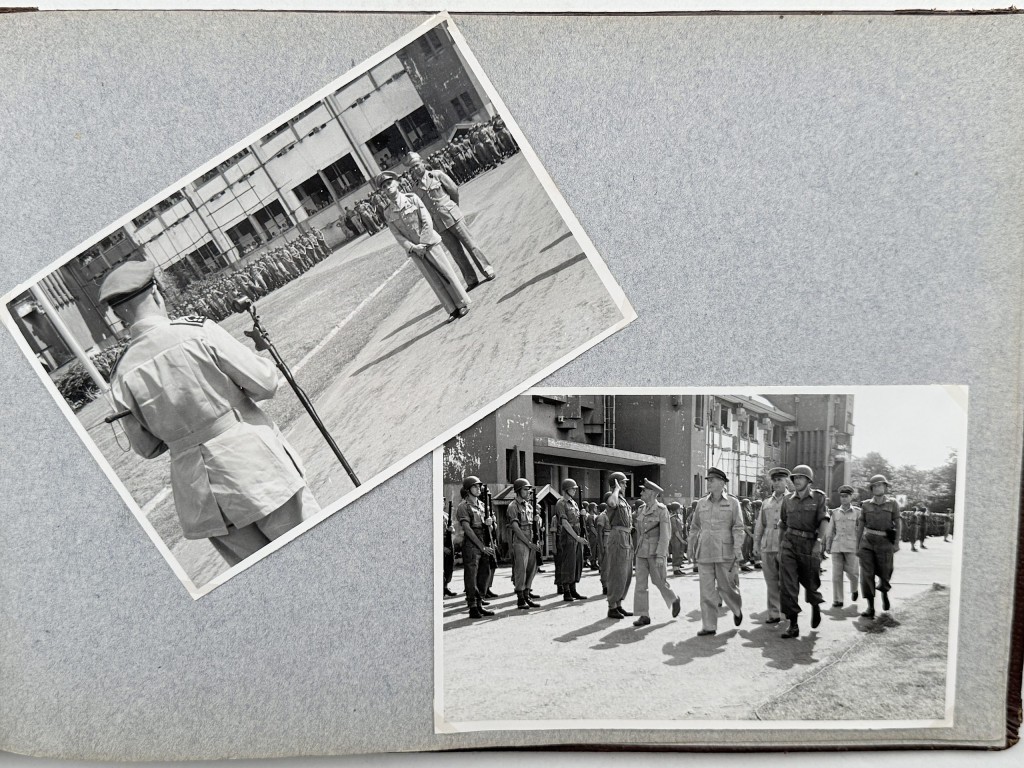
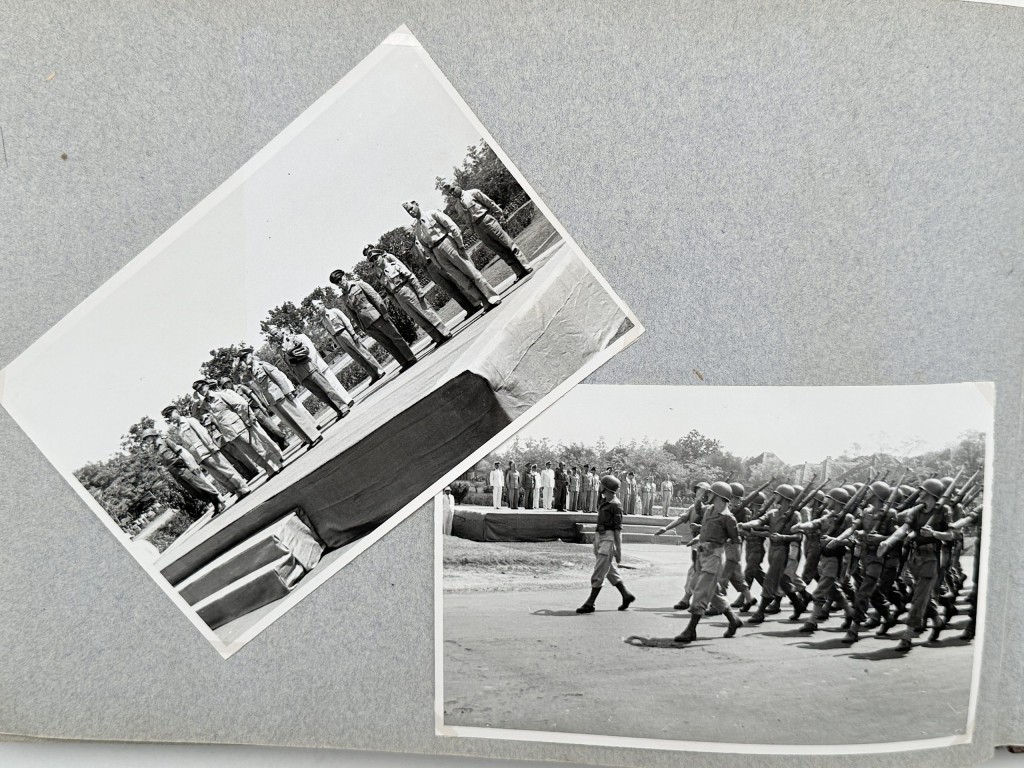
Ceremony plays a central role. Troops of the army and navy, supported by auxiliary units and women in medical or administrative roles, stand in formation for inspections and parades. National symbolism is prominent: flags, salutes, speeches, and religious imagery. Military deployment is framed as duty and maintenance of order, embedded in a broader moral and national narrative.
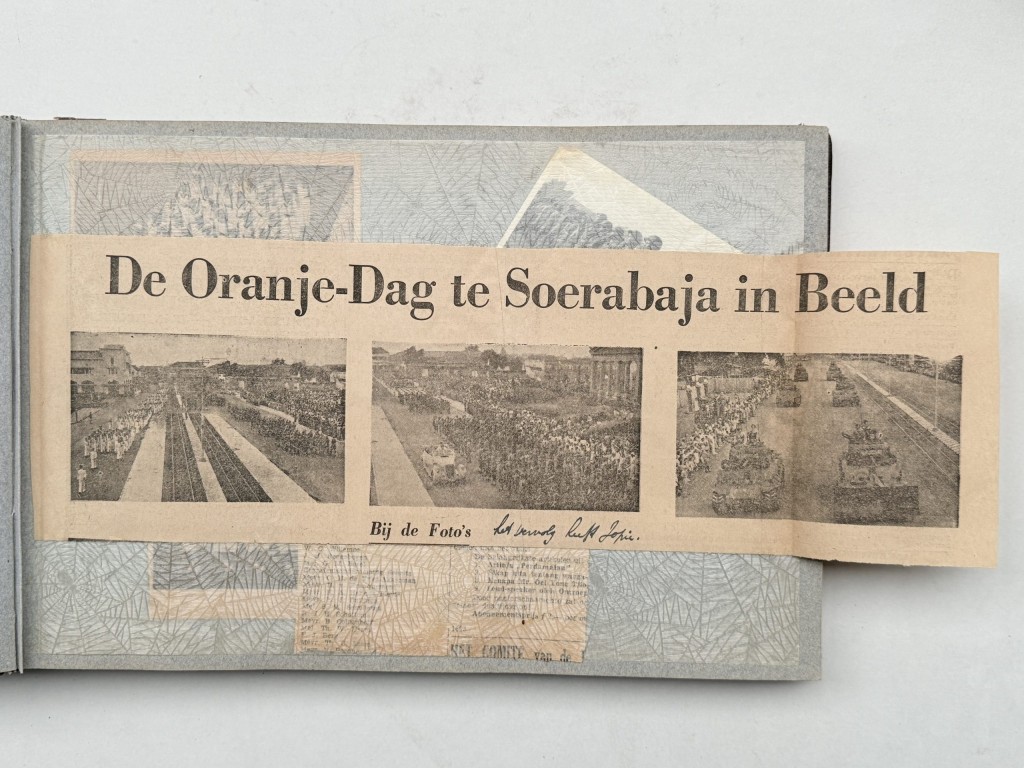
This public display takes on an explicitly national character during Orange Day in Soerabaja, when civilians and military personnel gather for parades and ceremonies. The images show how military power is normalized through celebration and ritual.
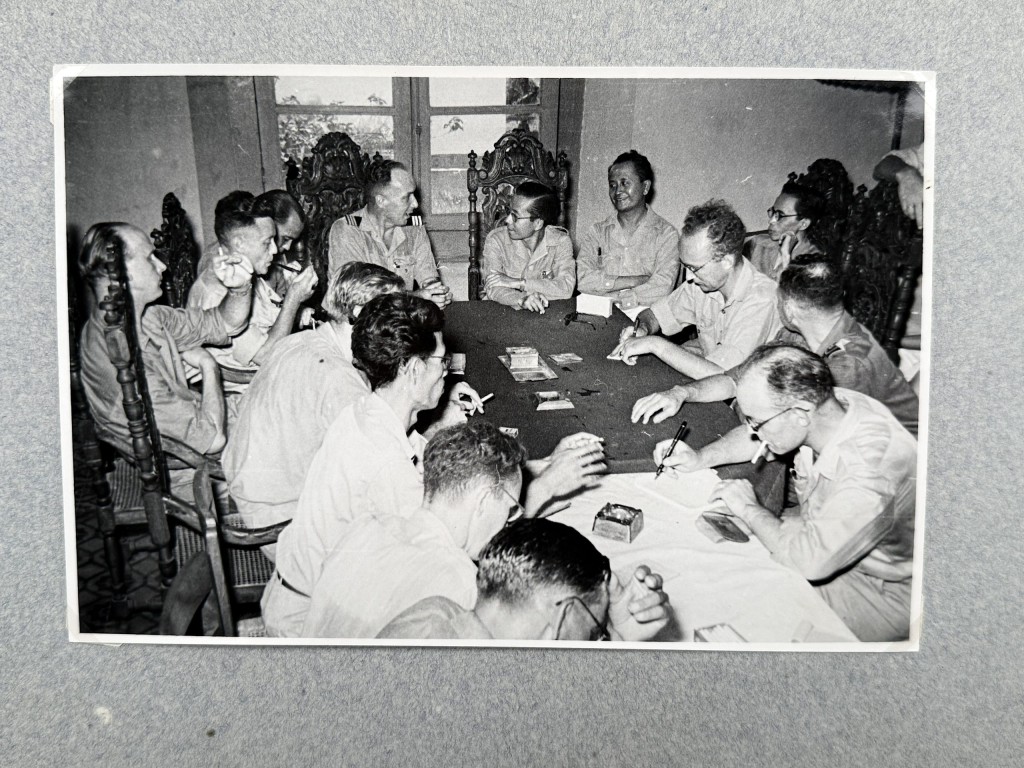
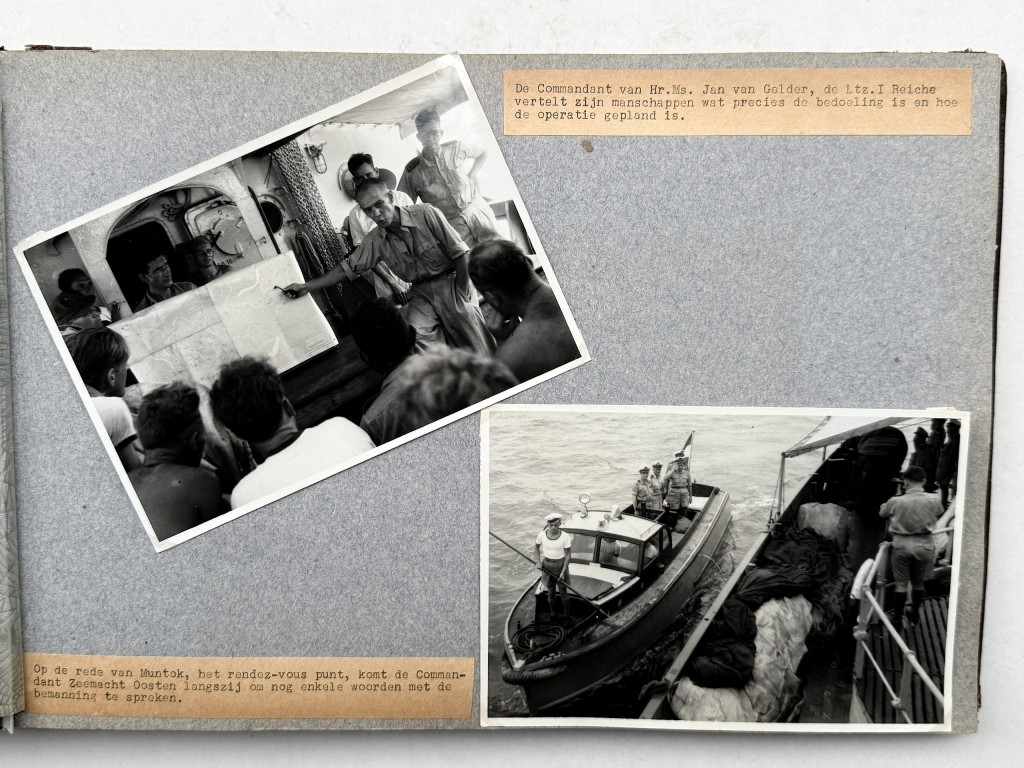
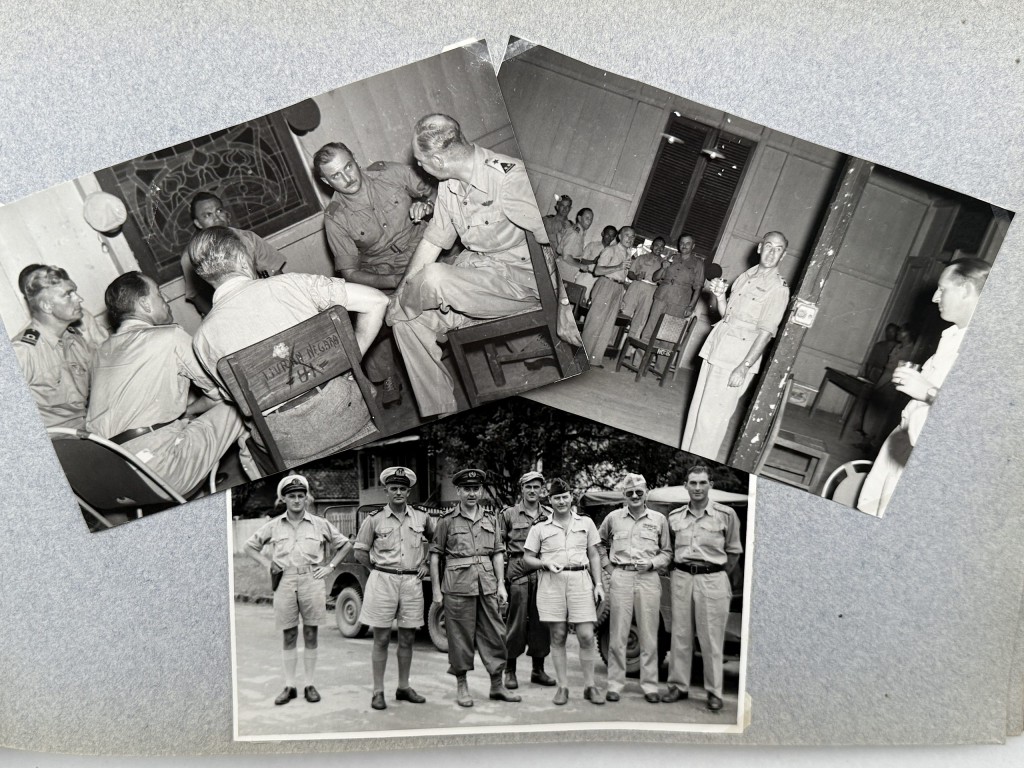
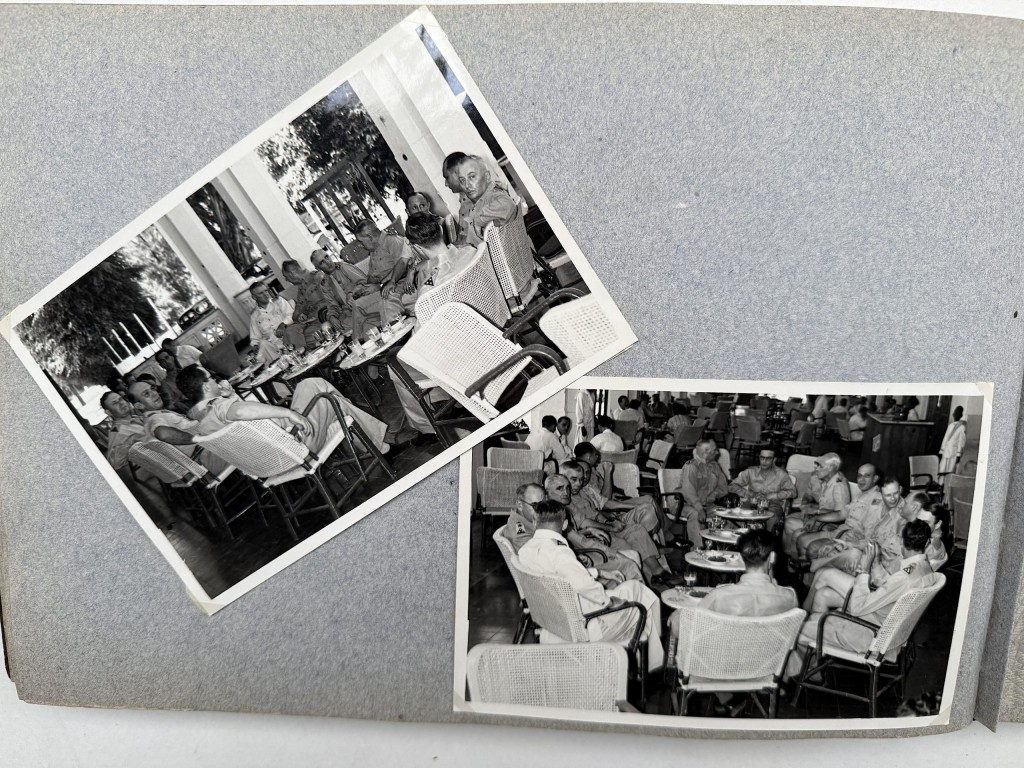
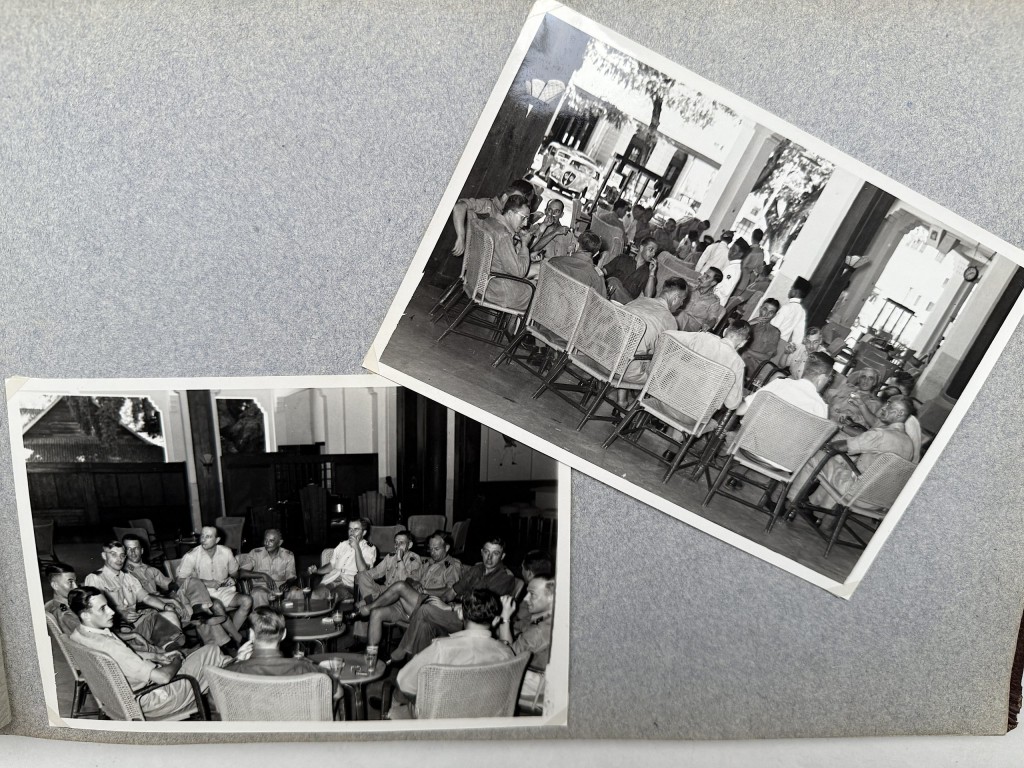
Behind this public façade, the album shifts to the more private world of consultation and preparation. Officers sit around tables, maps are studied, and plans are discussed. Here the core of the album emerges: Operation Ekster.
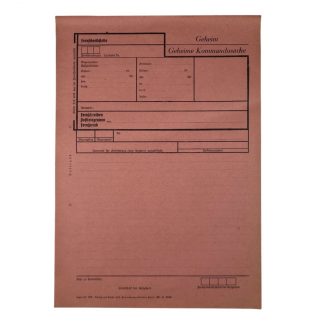
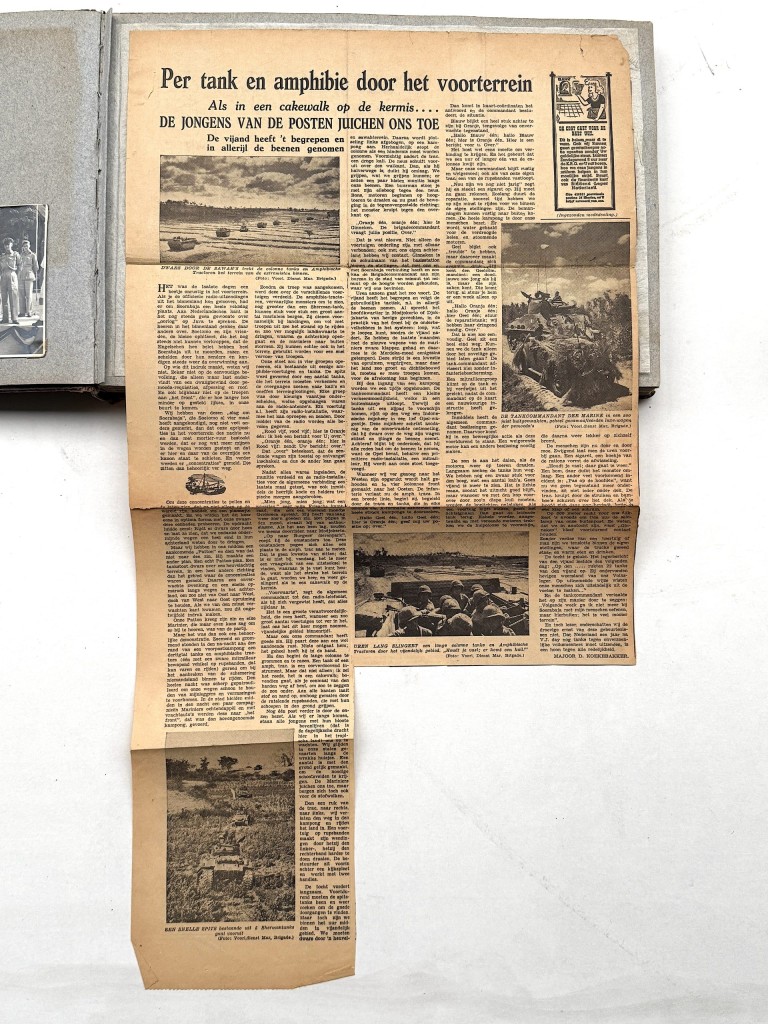
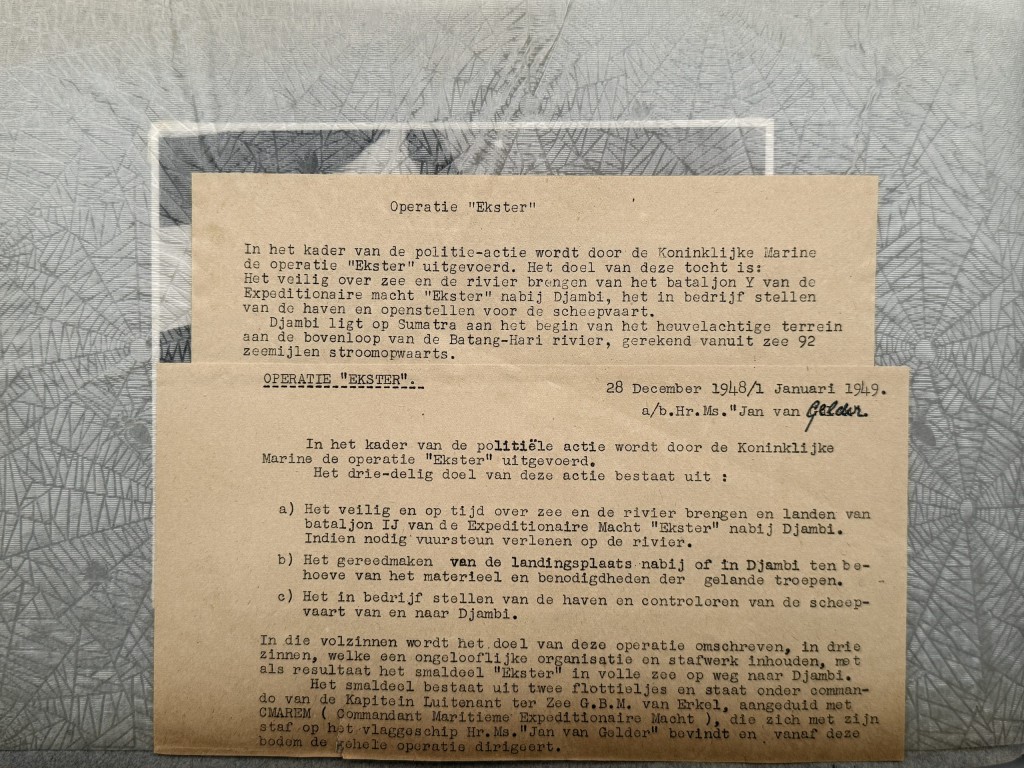
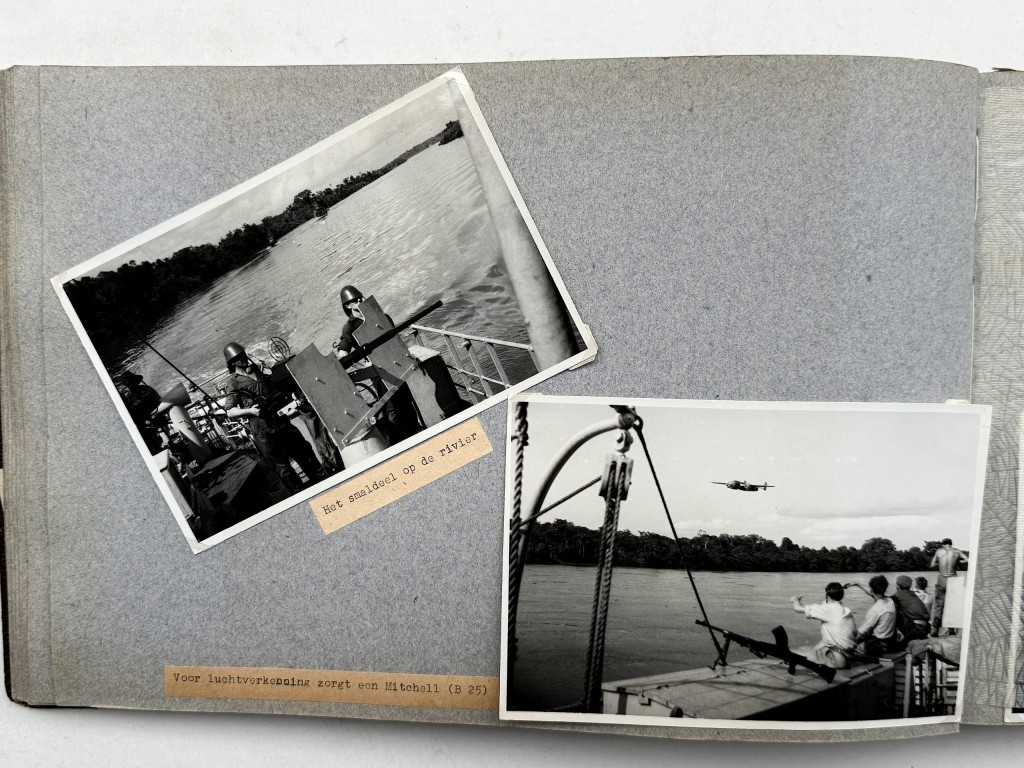
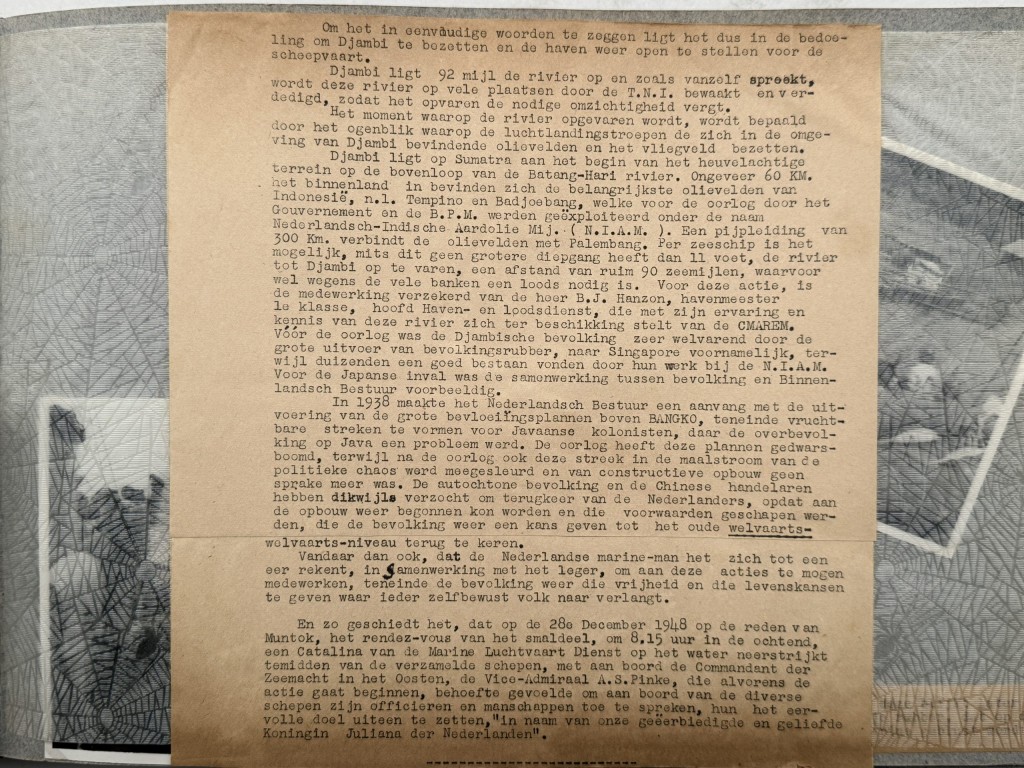
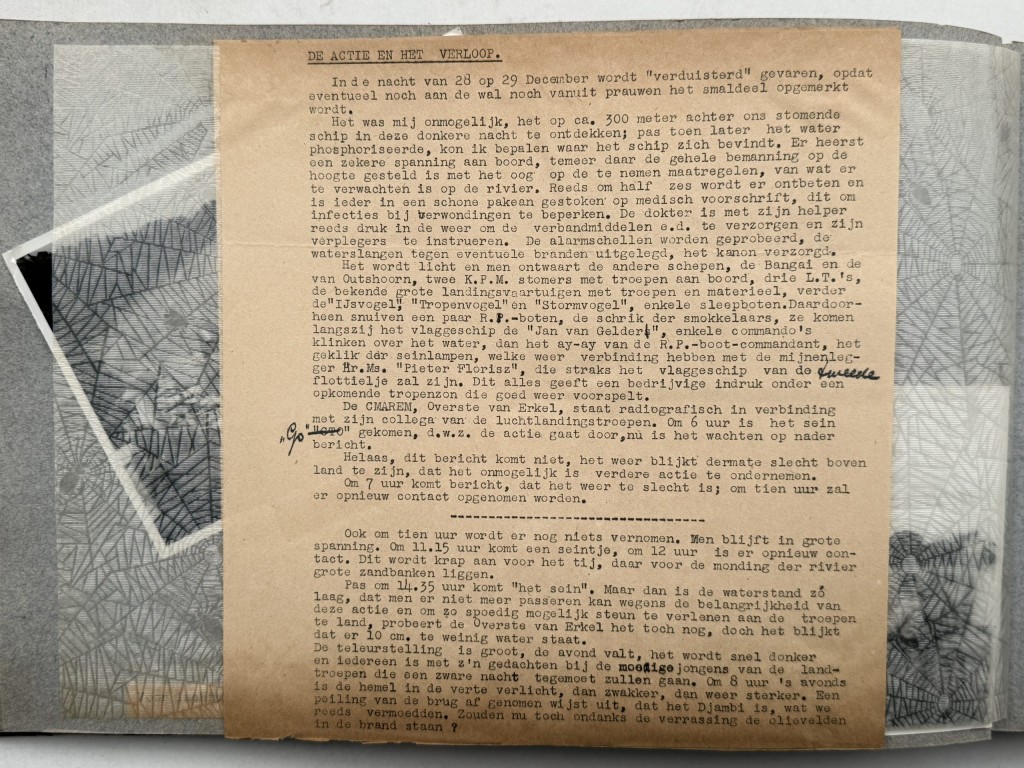
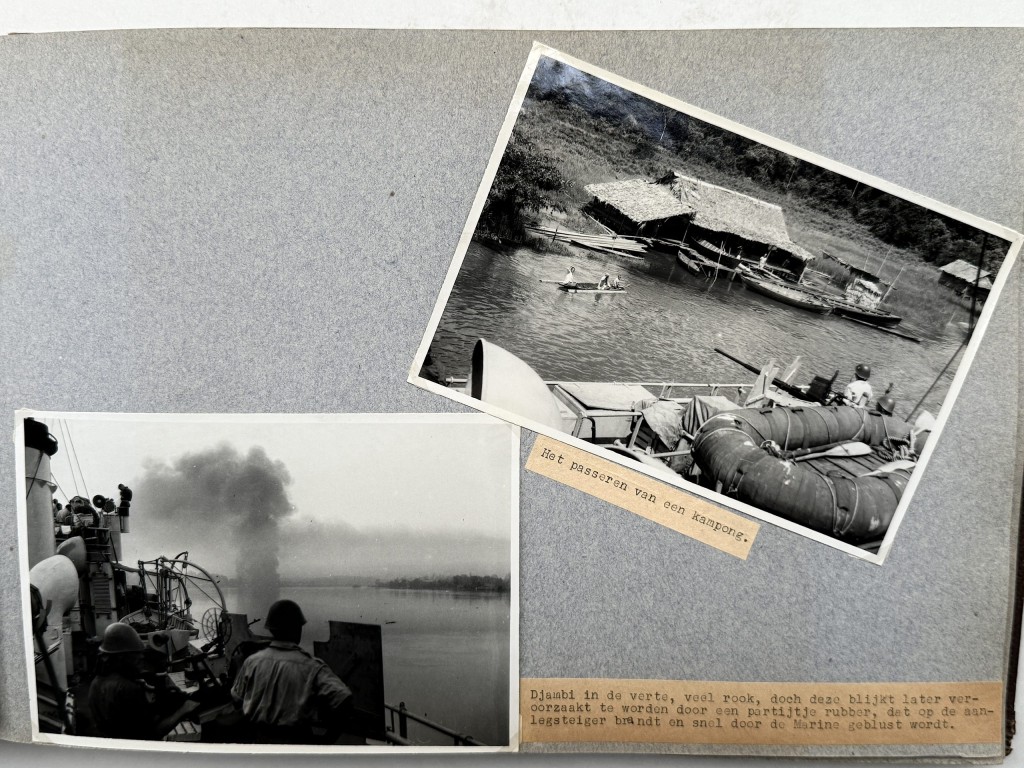
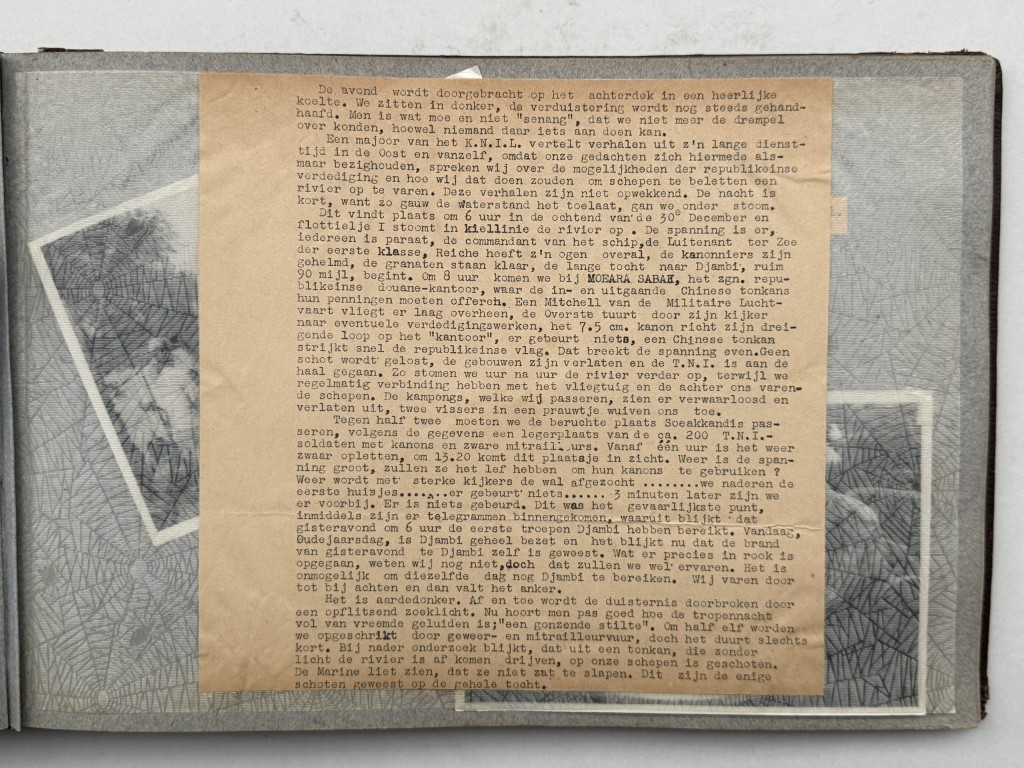
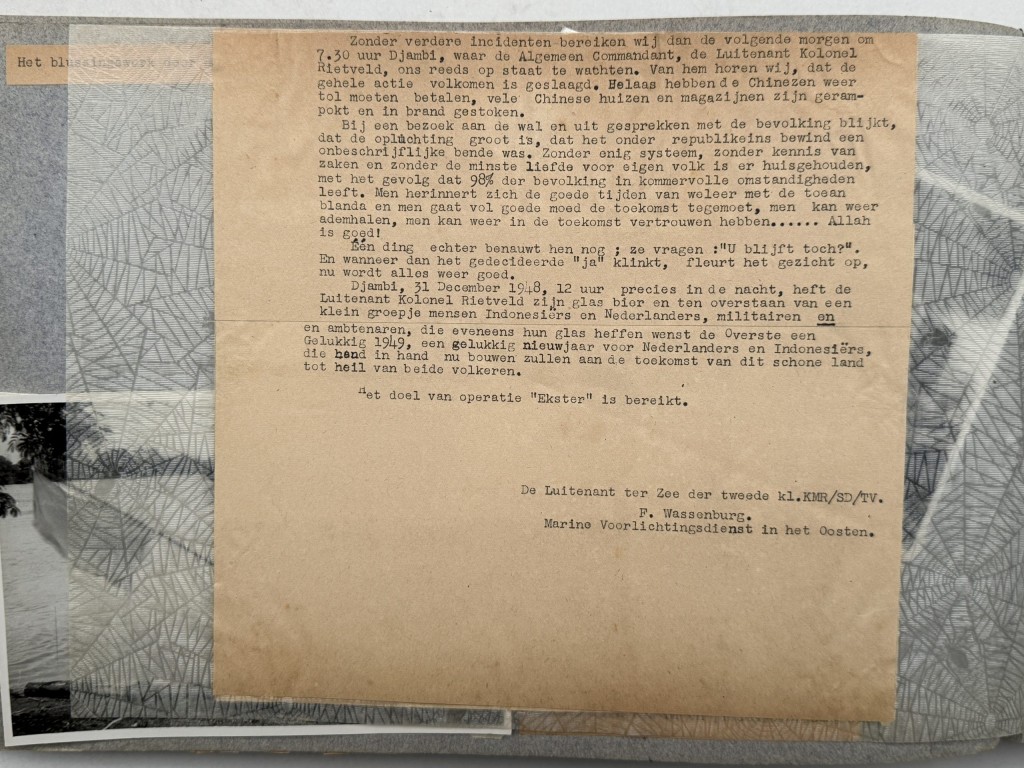
The operation is extensively documented in typed reports and accompanying photographs. Its objective is to secure the river route and the port of Djambi on Sumatra, and to transport troops and matériel. Navy, army, and air force operate jointly. The river functions both as a transport corridor and a strategic space.
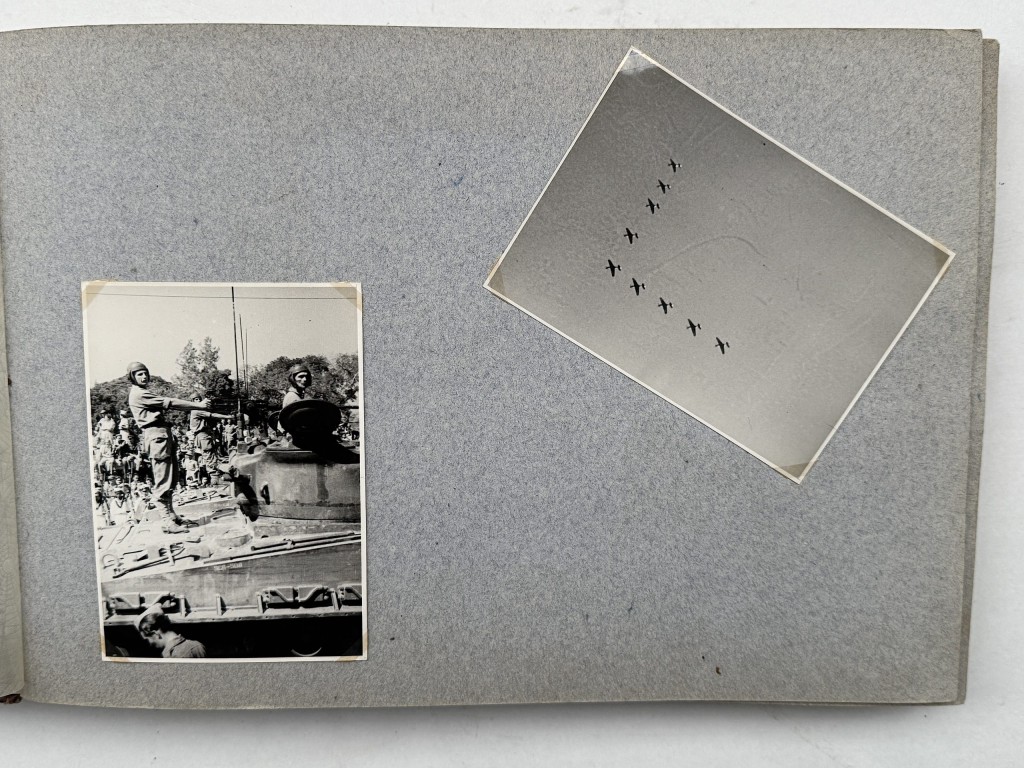
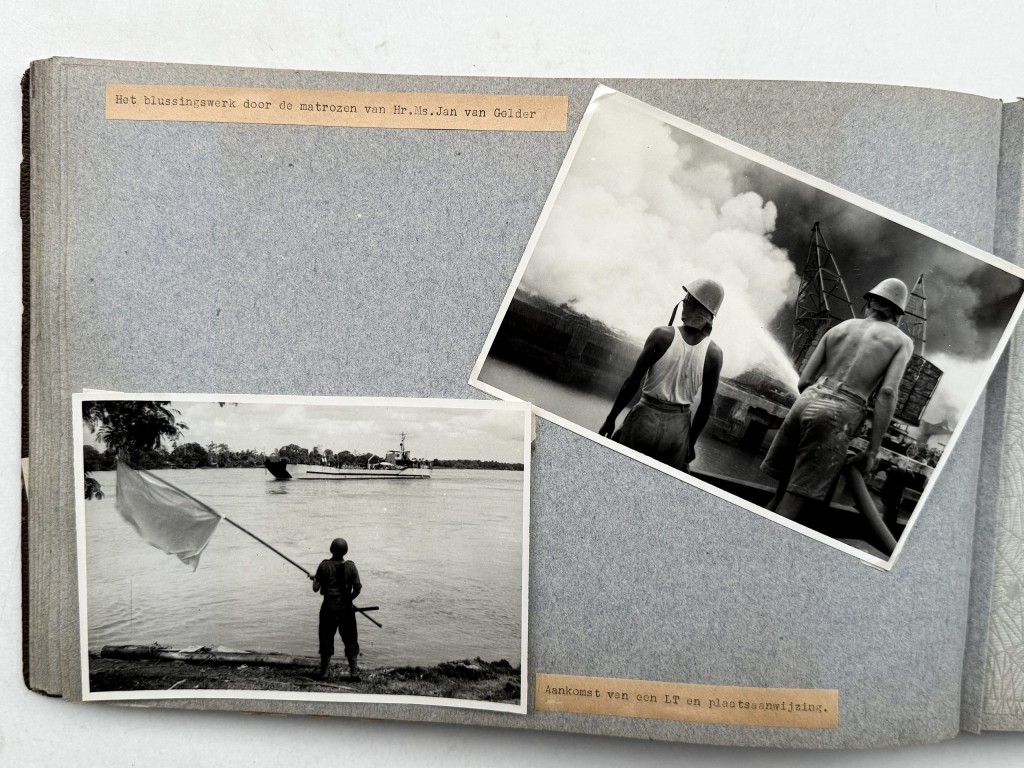
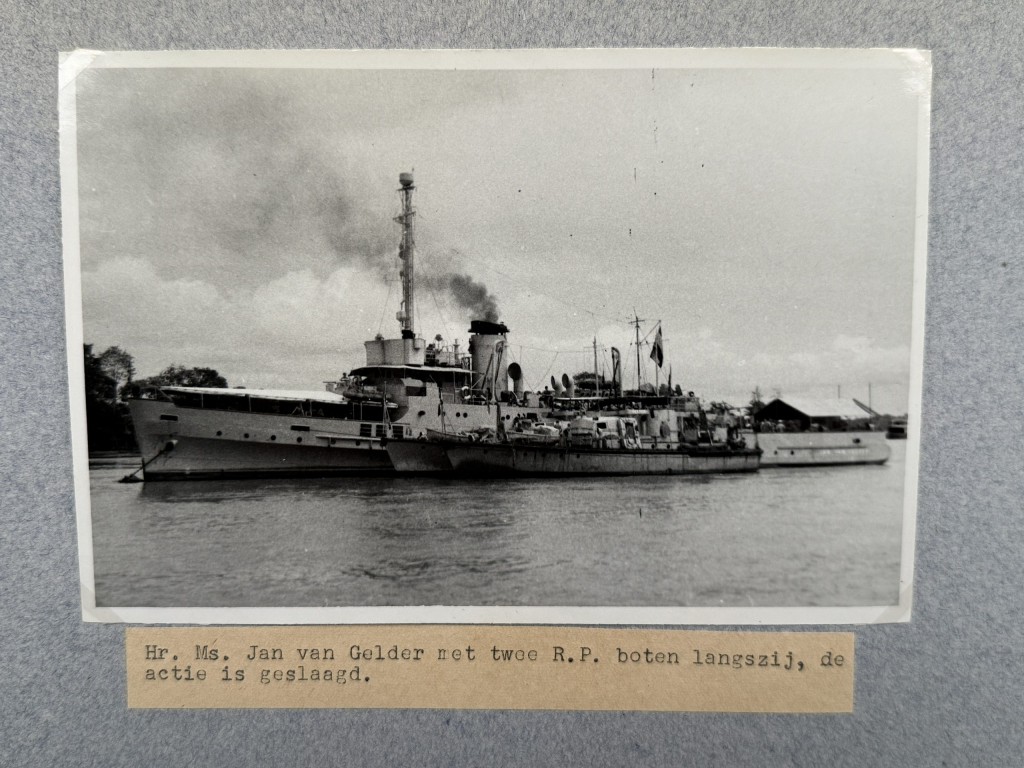
Central to the operation is the naval vessel Hr. Ms. Jan van Gelder, which sails upstream accompanied by river patrol boats. On board are naval ratings, officers, and observers. Aerial reconnaissance is carried out by Mitchell aircraft of the Naval Air Service.
The commanding officer on site is Rietveld, lieutenant colonel of the KNIL, who coordinates the reception and further deployment in Djambi. The texts describe tension, vigilance, and brief fire contacts during the night hours, although the operation ultimately proceeds without large-scale fighting.
Upon arrival, a fire—later described as burning rubber—has broken out and is extinguished by naval personnel. The photographs show firefighting efforts, smoke rising above the river, and the restoration of order. Kampongs along the riverbank are passed; the presence of the military column visibly cuts through inhabited territory.
The reports mention damage to Chinese houses and warehouses, as well as poverty and dislocation among the population. At the same time, the text presents the Dutch presence as stabilizing and forward-looking. On 31 December 1948, the New Year is celebrated jointly in Djambi by Dutch and Indonesians, military personnel and civil officials. The operation is formally declared a success.
The concluding text is signed by F. Wassenburg, lieutenant (junior grade), on behalf of the Naval Information Service in the East.
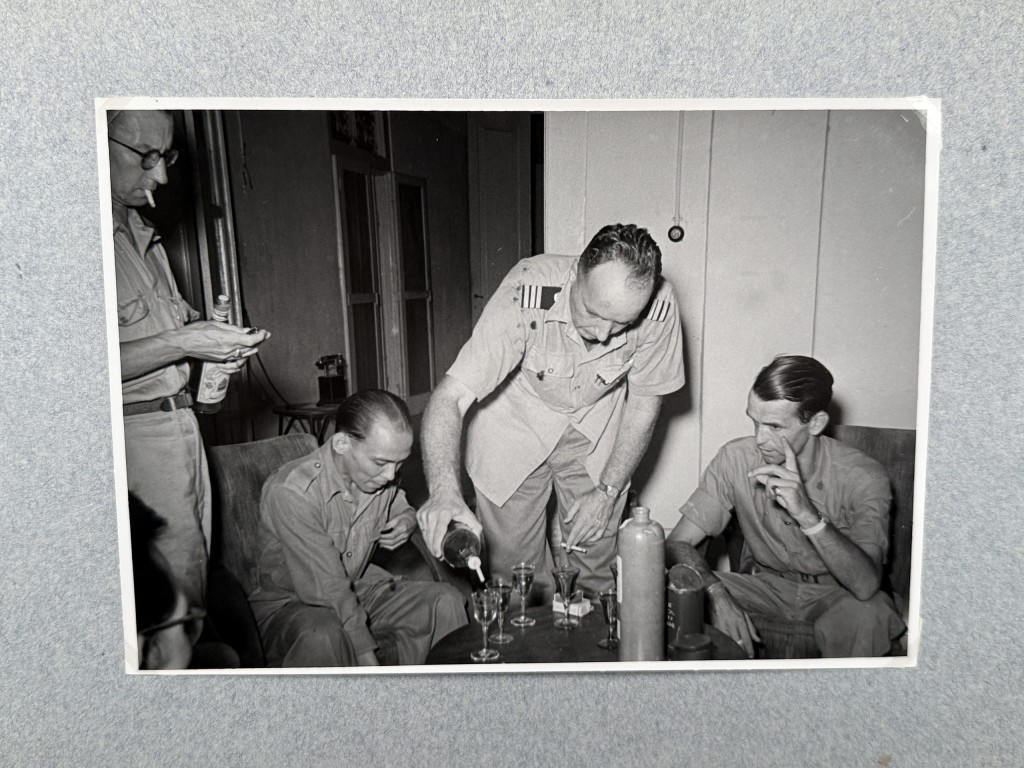
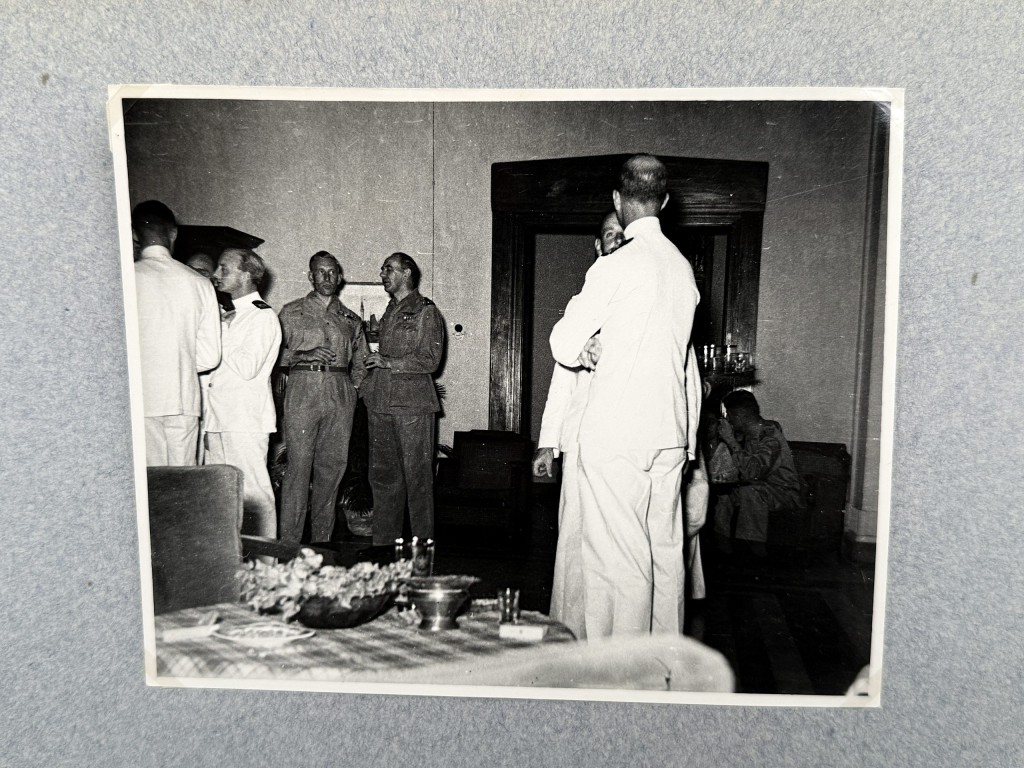
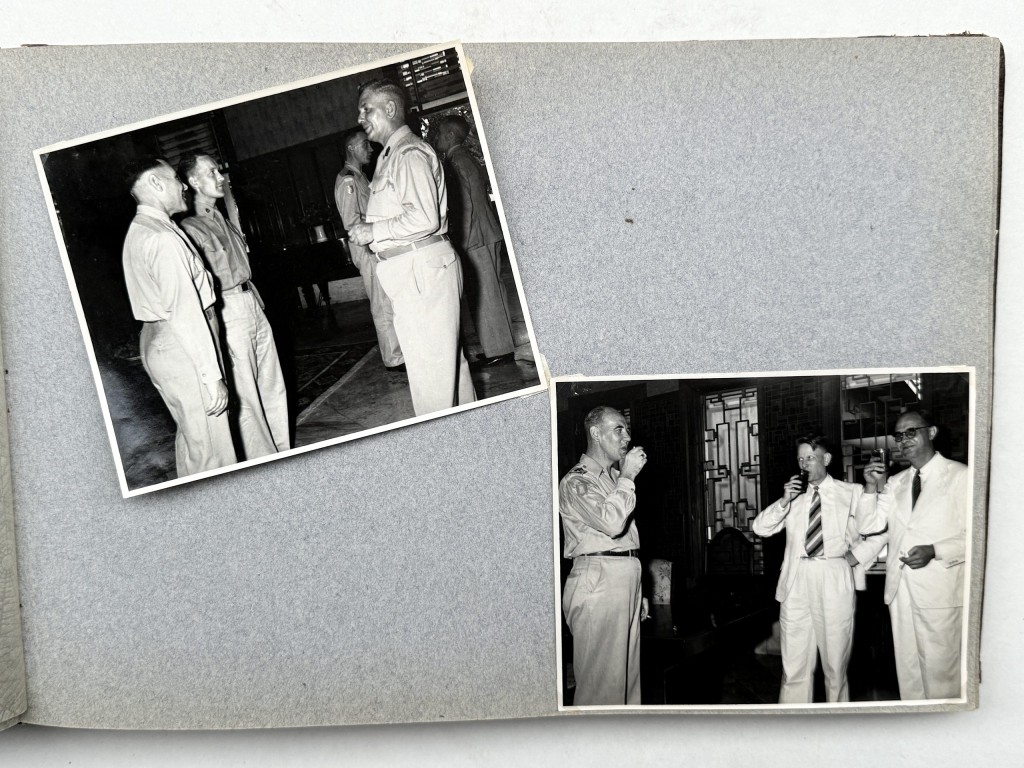
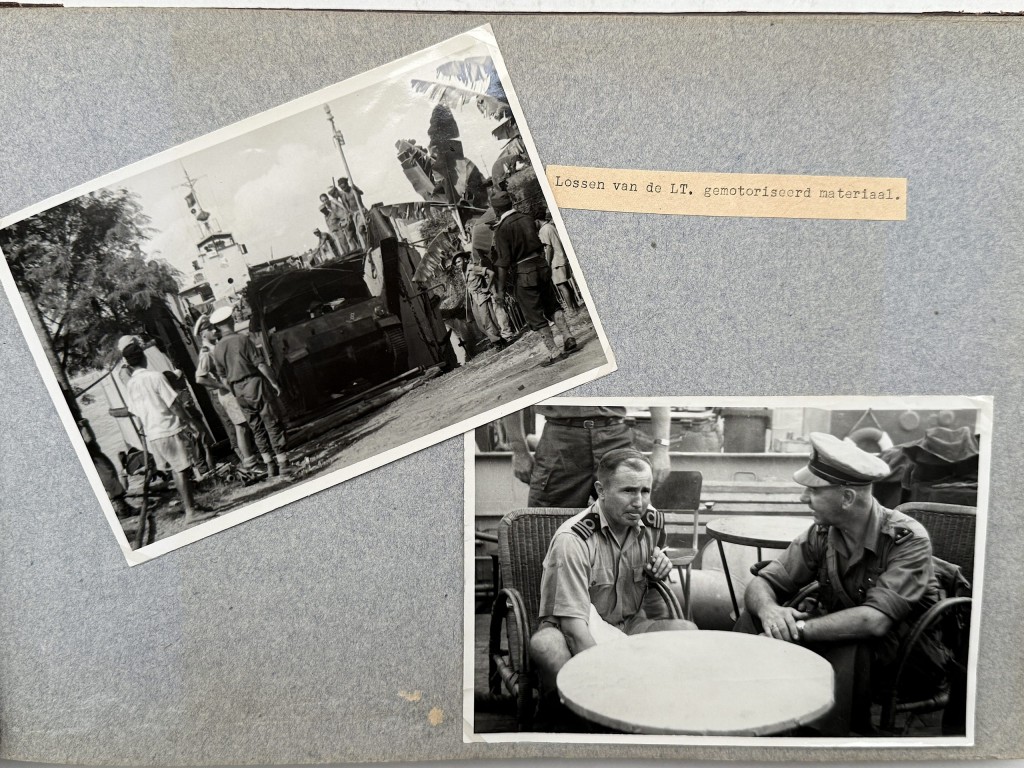
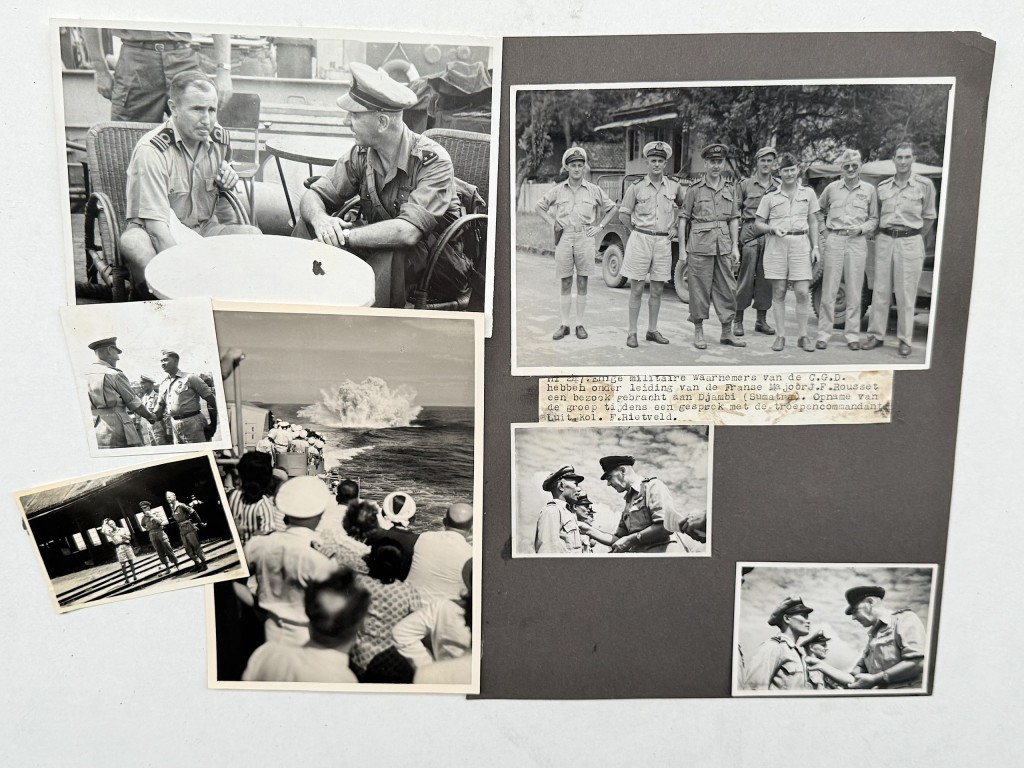
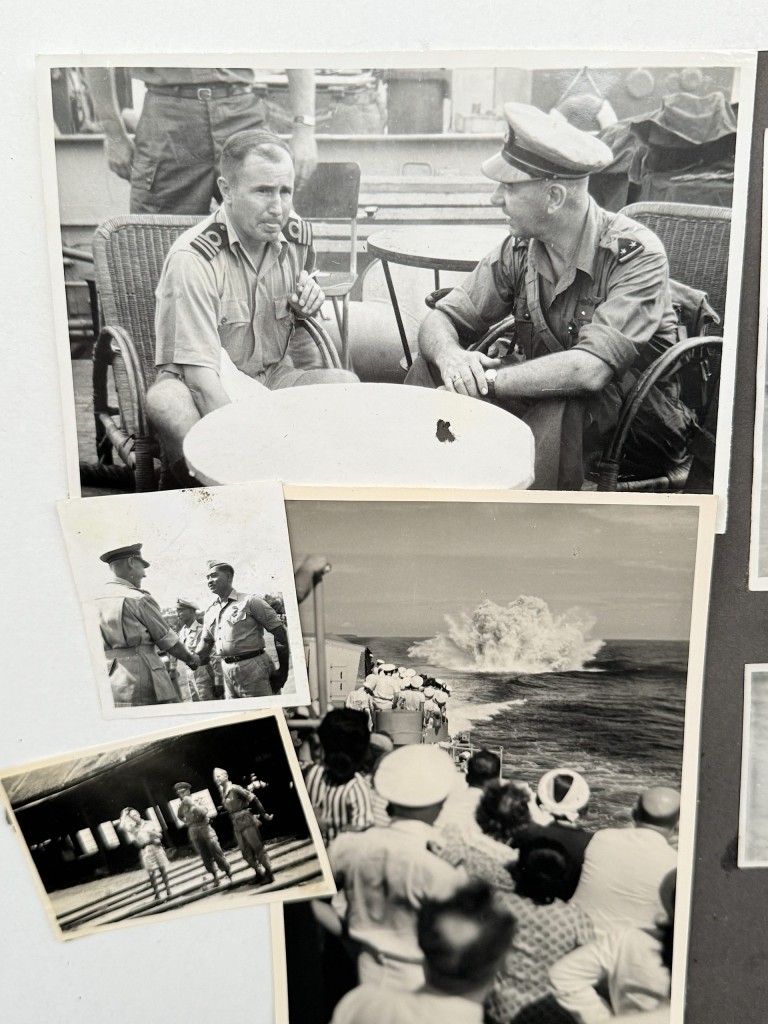
After the operation, the album shows its aftermath: the unloading of motorized equipment, consultations between officers, and moments of rest on board ship and on location. Photographs depict conversations between naval and army officers, relaxed yet still in uniform.
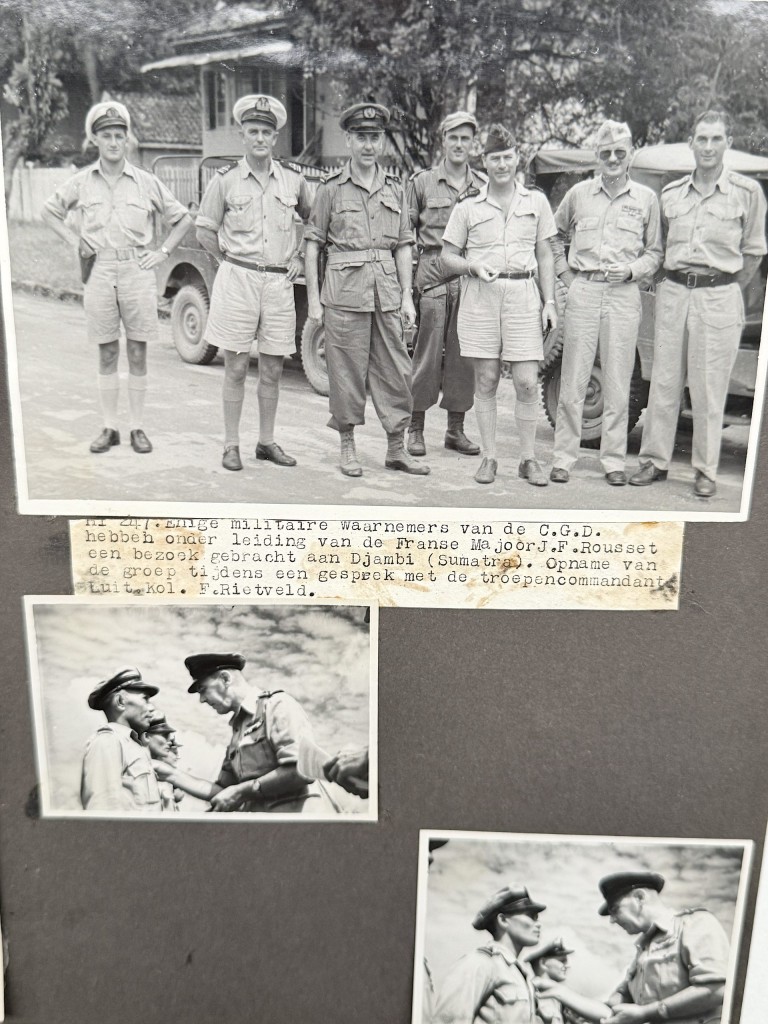
The album also documents international attention. A group of French military observers from the C.G.D., led by J.F. Rousset, visits Djambi. They are photographed during inspections and discussions together with Lieutenant Colonel Rietveld. The visit underscores that Operation Ekster was observed not only locally, but also internationally.
In the final sections, the album returns to ceremony and order. Soldiers are inspected, documents handed over, decorations awarded. Troops march past the podium one last time. Where the beginning focused on establishing presence, the end emphasizes confirmation and closure.
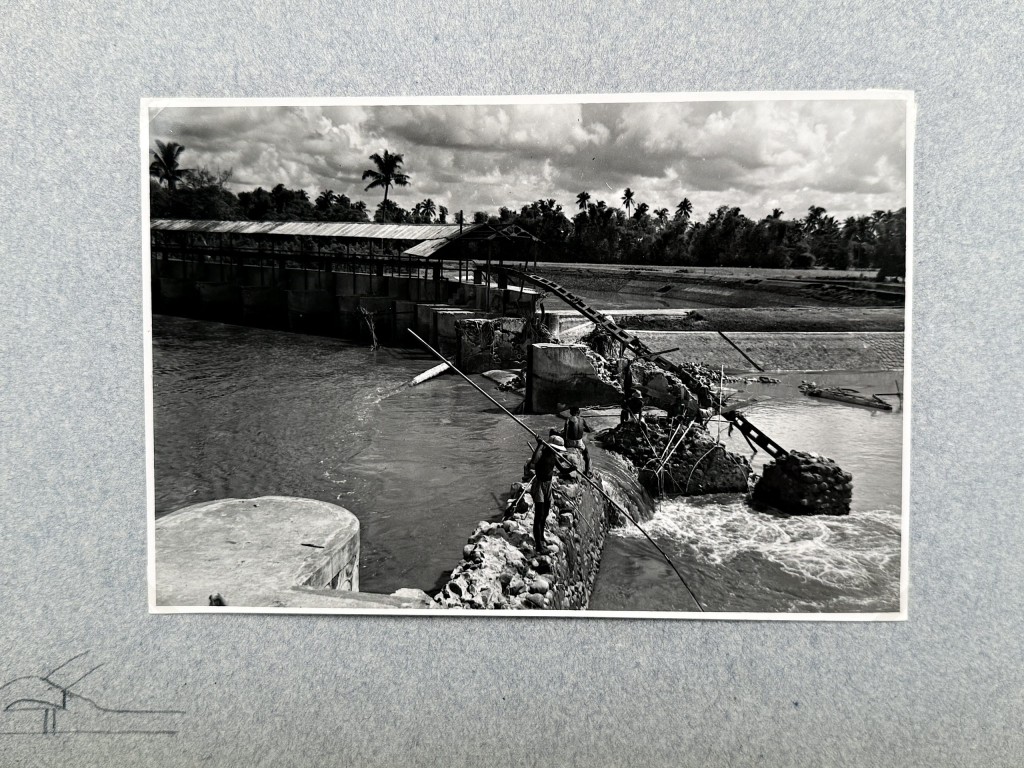
Between these formal moments appear images of places without action: barracks, houses, palm-lined avenues.
A beautiful photo album for the Netherlands East Indies collection.
Article number: 20608
Origineel 1945-1949 Nederlands-Indië fotoalbum ‘Oranje dag in Soerabaja’ & ‘Operatie Ekster’
Dit fotoalbum vertelt het verhaal van de Nederlandse militaire aanwezigheid in Nederlands-Indië in de jaren direct na de Tweede Wereldoorlog, tijdens de periode die later bekend zou worden als de politionele acties. De 120 foto’s vormen samen een zorgvuldig opgebouwd visueel verslag van ceremonie, operatie en afronding, gezien vanuit het perspectief van de krijgsmacht zelf. Het verhaal begint in de stad Soerabaja, waar de Nederlandse aanwezigheid nadrukkelijk zichtbaar wordt gemaakt. Militairen staan opgesteld langs brede straten, voertuigen rijden in colonnes, en publiek kijkt toe. Nummerborden met “Soerabaja–Batavia” verbinden de lokale werkelijkheid met het koloniale bestuurlijke centrum Batavia. De krijgsmacht toont zich hier als georganiseerd, aanwezig en permanent. Ceremonie speelt een centrale rol. Troepen van landmacht en marine, aangevuld met ondersteunende eenheden en vrouwen in medische of administratieve functies, staan in het gelid voor inspecties en defilés. Nationale symboliek is nadrukkelijk aanwezig: vlaggen, salueren, toespraken en religieuze beeldtaal. De militaire inzet wordt gepresenteerd als plicht en ordehandhaving, ingebed in een groter moreel en nationaal kader. Deze publieke presentatie krijgt een expliciet nationaal karakter tijdens Oranje-dag in Soerabaja, waar burgerbevolking en militairen samenkomen rond defilés en ceremonies. De beelden laten zien hoe militaire macht wordt genormaliseerd via feest en ritueel. Achter dit openbare vertoon verschuift het album naar de besloten wereld van overleg en voorbereiding. Officieren zitten rond tafels, kaarten worden bestudeerd en plannen besproken. Hier verschijnt de kern van het album: Operatie Ekster. De operatie wordt uitvoerig vastgelegd in getypte rapporten en begeleidende foto’s. Het doel is het veiligstellen van de rivierroute en de haven van Djambi op Sumatra, en het overbrengen van troepen en materieel. Marine, landmacht en luchtmacht opereren gezamenlijk. De rivier vormt zowel transportas als strategische ruimte. Centraal in de operatie staat het marineschip Hr. Ms. Jan van Gelder, dat samen met rivierpatrouilleboten stroomopwaarts vaart. Aan boord bevinden zich marinematrozen, officieren en waarnemers. Luchtverkenning wordt uitgevoerd door Mitchell-vliegtuigen van de Marine Luchtvaartdienst. De commandant ter plaatse is Rietveld, luitenant-kolonel van het KNIL, die in Djambi de ontvangst en verdere inzet coördineert. In de nachtelijke uren beschrijven de teksten spanning, waakzaamheid en korte vuurcontacten, hoewel de operatie uiteindelijk zonder grootschalige gevechten verloopt. Bij aankomst blijkt brand te zijn ontstaan, later beschreven als brandende rubber, die door marinematrozen wordt geblust. De foto’s tonen bluswerkzaamheden, rook boven de rivier en het herstellen van orde. Kampongs langs de oever worden gepasseerd; de aanwezigheid van de militaire colonne snijdt zichtbaar door bewoond gebied. In de rapportage wordt melding gemaakt van schade aan Chinese huizen en magazijnen, en van armoede en ontreddering onder de bevolking. Tegelijkertijd presenteert de tekst de Nederlandse aanwezigheid als stabiliserend en toekomstgericht. Op 31 december 1948 wordt in Djambi gezamenlijk oud en nieuw gevierd door Nederlanders en Indonesiërs, militairen en ambtenaren. De operatie wordt formeel als geslaagd verklaard. De afsluitende tekst is ondertekend door F. Wassenburg, luitenant ter zee tweede klasse, namens de Marine Voorlichtingsdienst in het Oosten. Na de operatie toont het album de nageschiedenis: het lossen van gemotoriseerd materieel, overleg tussen officieren, en rustmomenten aan boord en op locatie. Foto’s laten gesprekken zien tussen marine- en landmachtofficieren, ontspannen maar nog altijd in uniform. Het album documenteert ook internationale aandacht. Een groep Franse militaire waarnemers van de C.G.D., onder leiding van J.F. Rousset, brengt een bezoek aan Djambi. Zij worden gefotografeerd tijdens overleg en inspectie, samen met luitenant-kolonel Rietveld. Het bezoek onderstreept dat Operatie Ekster niet alleen lokaal, maar ook internationaal werd gevolgd. In de slotdelen keert het album terug naar ceremonie en orde. Militairen worden geïnspecteerd, documenten overhandigd, onderscheidingen uitgereikt. Troepen marcheren nog één keer langs het podium. Waar het begin draaide om het vestigen van aanwezigheid, draait het einde om bevestiging en afronding. Tussen deze formele momenten verschijnen beelden van plekken zonder actie: kazernes, woonhuizen, lanen met palmbomen.
Een prachtig fotoalbum voor de Nederlands-Indië collectie!
Artikelnummer: 20608
Op voorraad